
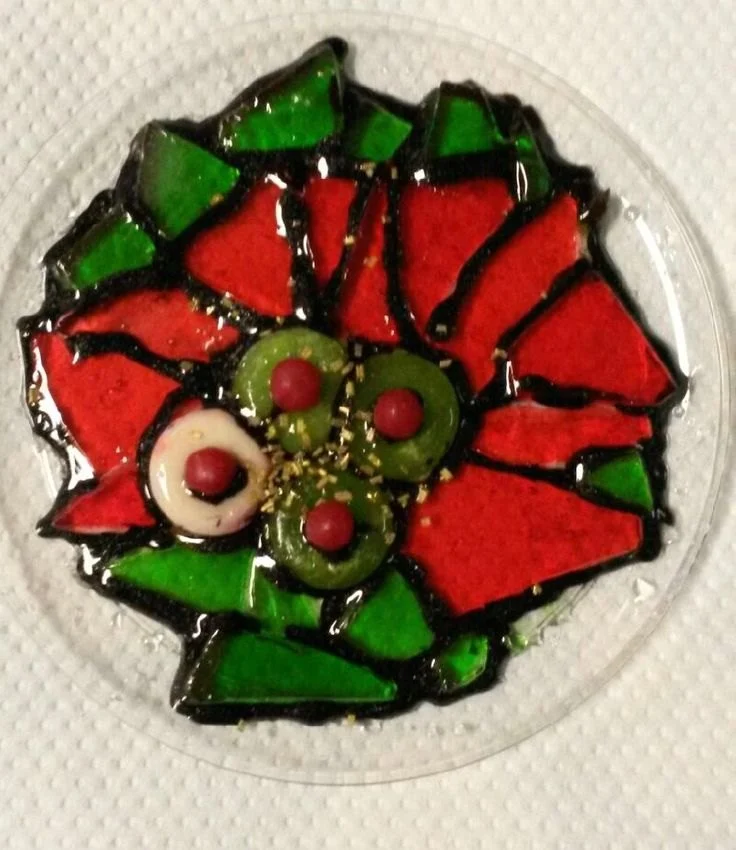
- -How candy art on Instagram evolved into a global visual trend
- -Understanding micro mosaics and edible candy design techniques
- -Why sugar-based art became a viral social media phenomenon
- -A real creator story that helped popularize edible mosaic art online
- -Common challenges candy artists face when building detailed designs
- -How Gaias Candy connects inspiration with modern confectionery creativity
The Unexpected Rise of Candy Art on Instagram
The rise of candy art on Instagram has transformed the way people view confectionery. What was once considered simple sweets has evolved into a highly visual and artistic form known as micro mosaics candy art, where tiny pieces of candy are arranged into intricate designs that resemble digital pixel art or traditional mosaics.
Mrs. Cavanaugh's Candies / mrs cavanaugh
1200 N Hill Field Rd, Layton, UT 84041, USA
From dessert tables to digital galleries
Instagram played a major role in shifting candy from a physical treat to a visual experience. Artists began showcasing edible creations not just for taste but for aesthetic storytelling. These images quickly gained traction because they combined nostalgia, color, and craftsmanship in a single frame.
Today, candy art on Instagram is not just food—it is digital art designed for engagement, shares, and emotional response.

The Ganachery / the ganachery
Lake Buena VistaOrange CountyFlorida
1486 East Buena Vista Drive, Disney Springs, Town Center, Lake Buena Vista, FL 32830, USA
Why visual culture accelerated the trend
Modern audiences consume content visually first. Candy art fits perfectly into this behavior because it is bright, detailed, and instantly shareable. The algorithmic nature of Instagram further amplified these creations, rewarding visually complex posts with higher engagement.
Understanding Micro Mosaics in Candy Art
Micro mosaics refer to the process of creating detailed images using extremely small candy pieces arranged carefully to form larger visual patterns. These designs often mimic classical mosaic art but are built entirely from edible materials.
The technical foundation behind edible mosaics
Artists use precision placement techniques similar to digital pixel mapping. Each candy piece acts like a pixel, contributing to the final image. This requires both artistic vision and patience, as even a slight misplacement can affect the entire design.
Materials and candy selection strategy
Successful micro mosaic candy art depends heavily on material consistency. Artists often select candies based on color range, texture stability, and shape uniformity to maintain visual clarity in large compositions.
Why Candy Art Became a Viral Instagram Trend
The virality of candy art on Instagram can be explained through a combination of psychology, visual appeal, and social media behavior. People are naturally drawn to colorful, intricate, and satisfying visuals.
The role of satisfaction-driven content
Watching candy pieces come together into a perfect mosaic triggers a sense of satisfaction similar to puzzle-solving videos or ASMR content. This emotional response increases watch time and engagement rates.
Shareability and emotional storytelling
Each candy artwork often tells a story—whether it’s a portrait, landscape, or abstract design. These emotional layers make viewers more likely to share the content, fueling viral spread.
A Real Creator Story Behind Viral Candy Art
One well-known example involves a small independent creator who began experimenting with sugar mosaic designs during lockdown. Initially posting simple candy arrangements, the creator gradually developed more complex micro mosaic portraits.
How a single post changed everything
A portrait made entirely of colored candies resembling a famous pop culture icon unexpectedly went viral. Within days, the post gained millions of views and was reshared across multiple platforms.
This moment marked a turning point, proving that edible art could compete with traditional digital art forms in terms of engagement.
Why audiences connected with it
Viewers appreciated the combination of craftsmanship and creativity. Unlike digital edits, candy mosaics required physical effort and precision, making the artwork feel more authentic and human.
Challenges Behind Creating Micro Mosaic Candy Art
Despite its beauty, candy art is one of the most technically demanding edible art forms.
Precision and time intensity
Creating a single detailed mosaic can take hours or even days depending on complexity. Each candy must be placed carefully to maintain symmetry and visual flow.
Color matching limitations
Unlike digital design, artists cannot simply select any shade. They must work within the limited color palette of available candies, often mixing tones visually rather than chemically.
Environmental sensitivity
Heat, humidity, and storage conditions can affect the structure of candy art, making preservation a constant challenge.
The Psychology Behind Candy Art Engagement
The popularity of candy art on Instagram is deeply connected to human psychology. Bright colors stimulate dopamine responses, while intricate patterns encourage longer viewing time.
Why viewers keep watching
The process of transformation—from scattered candy pieces to a complete image—creates anticipation and reward loops in the viewer’s mind.
Connection to childhood nostalgia
Candy naturally evokes childhood memories, which adds emotional depth to the viewing experience and strengthens engagement.
How Social Media Algorithms Amplify Candy Art
Instagram’s algorithm favors content that retains attention and encourages interaction. Candy art performs exceptionally well because it naturally encourages likes, shares, and comments.
Visual retention metrics
The longer users watch a video or view a post, the more likely it is to be promoted further. Candy art’s detail-heavy nature ensures extended viewing time.
Community-driven engagement
Many creators build communities around their candy art, where users suggest designs or vote on future creations, increasing platform interaction.
How Gaias Candy Inspires Modern Confectionery Creativity
Gaias Candy represents a growing movement where confectionery is not just about flavor but also artistic expression. Many creators draw inspiration from such brands to experiment with edible designs and micro mosaic concepts.
By exploring creative candy-making approaches, artists and enthusiasts can push the boundaries of what edible art can become.
Why inspiration matters in edible art evolution
Innovation in candy art often comes from blending traditional techniques with modern visual culture. Platforms like Gaias Candy encourage experimentation and artistic freedom in confectionery design.
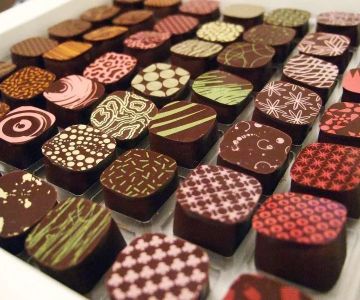




 Phillips Chocolates4.0 (268 reviews)
 Patsy's Candies4.0 (417 reviews)
 IT'SUGAR San Francisco Flagship4.0 (98 reviews)
 Los Girasoles Dulceria y Neveria4.0 (86 reviews)
 See's Candies4.0 (82 reviews)
 Hanna Krause Candy4.0 (128 reviews)
 Top Candy Shops for Tourists in New York – Best Sweets and Treats
 Best Candy Shops in New York - A Sweet Adventure Through the City
 How to Make Candy-Themed Crafts for Christmas Gift Giving
 How to Make Chocolate-Covered Strawberries for Kids: A Fun and Easy Recipe
 How to Make Easy Gummy Worms at Home | Homemade Candy Recipes
 How to Host a Candy-Themed Movie Night | Fun and Sweet Ideas