
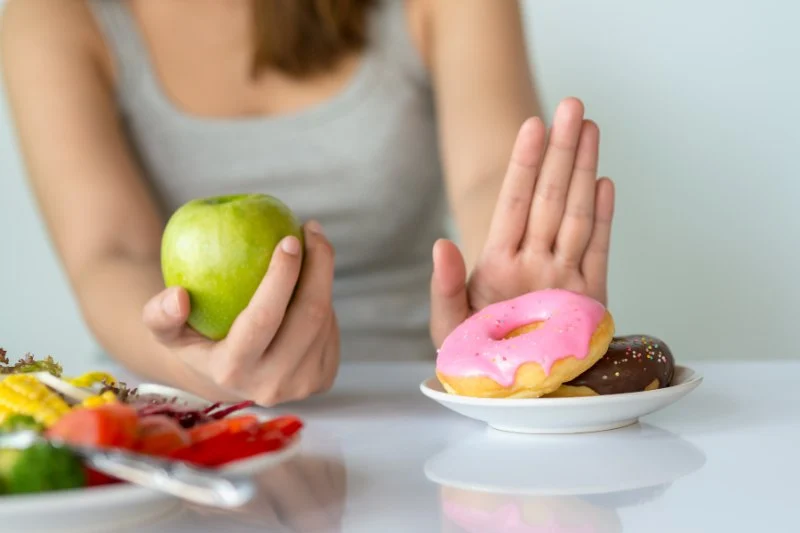
- brain-response-sugar-vs-candy - How dopamine reacts differently to sugar and candy
- ingredients-and-processing - What makes candy chemically different from sugar alone
- craving-psychology - Why sweet cravings feel addictive in real life
- real-life-sweet-experiences - Case stories and everyday behavior patterns
- healthy-balance-strategies - Practical ways to reduce sugar dependency
Why the Debate Around Candy and Sugar Never Really Ends
The question “Why Candy Isn't as Addictive as Sugar (Or Is It?)” shows up in health discussions, psychology blogs, and even everyday conversations between people trying to cut back on sweets. At first glance, it seems simple: candy contains sugar, so it must be equally addictive. But the reality is more layered, involving brain chemistry, food engineering, and human behavior patterns that don’t always follow strict scientific lines.
What makes this topic especially interesting is how personal it feels. Most people don’t just “eat sugar”—they associate it with comfort, stress relief, celebrations, or even boredom. Candy becomes more than food; it becomes a habit loop. That’s where confusion starts about whether candy itself is addictive or whether sugar is the real driver behind cravings.

Neuhaus Chocolates / neuhaus nyc
New YorkNew York CountyNew York
488 Madison Ave Between 51st, new location, E 52nd St, New York, NY 10022, USA
Understanding How Sugar Interacts With the Brain
Dopamine Response and Reward Pathways
When sugar enters the body, it activates the brain’s reward system, triggering dopamine release. Dopamine is the same neurotransmitter involved in pleasure, motivation, and habit formation. This response explains why sugary foods feel rewarding and why people often want “just one more bite.”
However, sugar doesn’t work like a controlled substance in a strict clinical sense. Instead, it creates a reinforcement loop: the more frequently the brain experiences sugar highs, the more it begins to anticipate them. Over time, this anticipation can feel like craving or dependency.
Carousel Candies / chocolate carousel nj
Point Pleasant BeachOcean CountyNew Jersey
500 Boardwalk, Point Pleasant Beach, NJ 08742, USA
Why Candy Feels Even More Compelling
Candy often contains refined sugars combined with flavor enhancers, fats, and artificial textures. These combinations can intensify sensory pleasure. Unlike plain sugar, candy is engineered to deliver a strong, immediate taste experience. That intensity can make it feel more “addictive,” even though the underlying mechanism is still sugar-driven.
What Makes Candy Different From Pure Sugar
Ingredient Engineering and Flavor Design
Candy is not just sugar in isolation. It is a carefully designed product that includes syrups, emulsifiers, acids, flavorings, and sometimes fats. These ingredients influence how quickly sugar is absorbed and how long the taste lingers. This design creates a stronger psychological reward loop than sugar alone.
Food scientists often aim for something called “bliss point,” where sweetness, texture, and aroma combine to maximize enjoyment. This is why certain candies feel almost impossible to stop eating once you start.
Texture and Sensory Reinforcement
The chewiness, crunch, or melt-in-your-mouth sensation also plays a major role. The brain doesn’t just react to taste—it reacts to texture expectations. This multi-sensory stimulation can amplify cravings and reinforce repetitive eating behavior.
For example, gummy candies trigger prolonged chewing satisfaction, while hard candies provide long-lasting sweetness. Each creates a different pattern of reward signaling in the brain.
Real-Life Experiences: When Sugar Habits Become Noticeable
A Busy Office Worker’s Afternoon Candy Loop
A common real-world example involves office workers who rely on candy for quick energy. One case often discussed in workplace wellness studies shows employees reaching for sweets around 3 p.m. daily. The pattern isn’t random—it’s tied to natural energy dips and learned behavior.
Over time, the habit becomes automatic. The brain begins to associate fatigue with candy consumption, reinforcing the cycle even when physical energy needs are not the primary issue.
Children and Early Taste Conditioning
Children exposed to high-sugar snacks early often develop stronger preferences for sweet flavors. This doesn’t mean addiction in a medical sense, but it does shape long-term eating habits. Candy becomes a default reward system used by parents and schools, which further strengthens emotional associations.
Is Candy Truly Addictive or Just Highly Rewarding?
Scientific Perspective on Behavioral Patterns
Most researchers agree that sugar can create addictive-like behaviors but does not meet the strict criteria for substance addiction in the same category as drugs or alcohol. Instead, it is better described as habit-forming due to repeated dopamine activation.
Candy intensifies this effect because it combines sugar with engineered taste and texture. That combination increases consumption frequency, which reinforces neural pathways associated with craving.
Emotional Triggers and Psychological Dependence
Emotional states play a major role. Stress, boredom, and fatigue often trigger candy consumption more than physical hunger. This emotional dependency can feel like addiction because the behavior becomes automatic under certain conditions.
Understanding this distinction is key to managing cravings effectively rather than relying on willpower alone.
Practical Ways to Manage Sweet Cravings Without Feeling Restricted
Balancing Sugar Intake Instead of Eliminating It
Completely removing sugar often leads to rebound cravings. A more sustainable approach is balance—pairing sweet foods with protein or fiber to slow absorption and reduce spikes in blood sugar.
This helps stabilize energy levels and reduces the urgency of cravings throughout the day.
Mindful Eating and Sensory Awareness
Slowing down candy consumption can significantly reduce overconsumption. When people pay attention to texture, flavor changes, and satisfaction levels, they often realize they need less to feel satisfied.
Healthier Alternatives and Smart Swaps
Choosing naturally sweet foods like fruit or dark chocolate alternatives can reduce reliance on highly processed candies. This is where platforms like Gaias Candy can help guide consumers toward better product choices, offering curated sweet options that balance enjoyment with ingredient awareness.
How Modern Food Culture Shapes Sweet Cravings
Marketing and Constant Exposure
Candy is heavily marketed in convenience stores, online ads, and seasonal promotions. Constant exposure increases desire, even when people are not hungry. This environmental reinforcement contributes significantly to perceived “addiction.”
Social and Cultural Associations
Candy is often tied to celebrations—birthdays, holidays, movie nights. These associations create emotional triggers that strengthen cravings in social settings. The brain learns to associate sweetness with happiness and reward.
When Candy Cravings Become a Pattern Worth Noticing
Recognizing Habit Loops
A habit loop typically includes a trigger, behavior, and reward. For candy consumption, the trigger might be stress, the behavior is eating candy, and the reward is temporary pleasure relief. Over time, this loop becomes automatic.
Rebuilding Healthier Reward Systems
Replacing candy with other small rewards—like short walks, hydration breaks, or non-food pleasures—can help break repetitive cycles. The goal is not elimination but replacement of the reward mechanism.





 The Candy Store4.0 (83 reviews)
 Sugar Bear Candy Store - Best Candy Store in Kings Plaza NY4.0 (15 reviews)
 CIPACS0.0 (0 reviews)
 Rocky Mountain Chocolate Factory3.0 (59 reviews)
 Pat & Toni's Sweet Things4.0 (549 reviews)
 Maumee Valley Chocolate and Candy4.0 (553 reviews)
 Top Candy Shops for Tourists in New York – Best Sweets and Treats
 Best Candy Shops in New York - A Sweet Adventure Through the City
 How to Make Candy-Themed Crafts for Christmas Gift Giving
 How to Make Chocolate-Covered Strawberries for Kids: A Fun and Easy Recipe
 How to Make Easy Gummy Worms at Home | Homemade Candy Recipes
 How to Host a Candy-Themed Movie Night | Fun and Sweet Ideas