
- Understanding Drugstore Candy Exclusivity - why location matters in retail candy strategy
- Convenience Psychology Behind Candy Purchases - impulse buying behavior explained
- Retail Distribution Strategy in the U.S. Candy Market - how brands control availability
- Why Pharmacies Carry Unique Candy Selections - space, demand, and traffic logic
- Real-Life Example of Limited Candy Releases - seasonal and regional candy stories
- How Pricing and Margins Influence Candy Placement - economics of drugstore shelves
- Consumer Behavior in Emergency Snack Purchases - late-night and quick-buy habits
- The Role of Nostalgia and Familiar Brands - emotional marketing in candy sales
- How Gaias Candy Connects Consumers to Rare Finds - curated candy discovery approach
- Future of Candy Distribution in Convenience Retail - digital and hybrid retail trends
Understanding Drugstore Candy Exclusivity
When exploring Why Some Candies Are Only Sold in Drugstores (Convenience), the first thing to understand is that candy distribution in the United States is not random. It is carefully designed based on consumer behavior, store traffic, and purchase psychology. Drugstores like CVS, Walgreens, and Rite Aid play a unique role in this system because they sit at the intersection of necessity and impulse shopping.
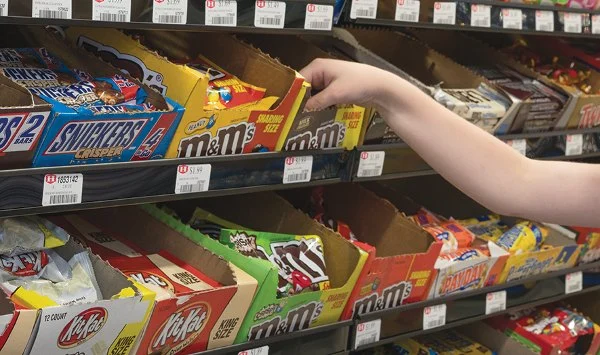
Unlike supermarkets or specialty candy shops, drugstores are designed for quick visits. Customers come in for medicine, toiletries, or urgent household items—but they almost always pass by candy shelves on the way to checkout. This placement is intentional. Candy brands leverage this high-traffic visibility to maximize impulse purchases.
In many cases, certain candies are exclusively distributed to drugstores because it ensures consistent exposure to a predictable audience: people who are already in a buying mindset, even if they did not originally intend to purchase sweets.

Goofy's Candy Company / goofy's candy co
1375 E Buena Vista Dr, Orlando, FL 32821, USA
Convenience Psychology Behind Candy Purchases
A major factor in Why Some Candies Are Only Sold in Drugstores (Convenience) is psychological behavior. Drugstores are built around urgency and convenience. When someone walks in for cold medicine or toothpaste, they are often experiencing a minor stressor—illness, discomfort, or a forgotten household need.
In this emotional state, small indulgences like candy become more appealing. Retail psychologists refer to this as “comfort compensation,” where consumers reward themselves during or after a stressful moment.
For example, a shopper picking up flu medication may also grab a chocolate bar or sour gummies near the register. This is not accidental—it is a carefully studied behavior pattern that candy manufacturers rely on.
This is why certain brands prioritize drugstores over supermarkets for specific product lines. The emotional context of shopping increases conversion rates significantly.
Carousel Candies / chocolate carousel nj
Point Pleasant BeachOcean CountyNew Jersey
500 Boardwalk, Point Pleasant Beach, NJ 08742, USA
Retail Distribution Strategy in the U.S. Candy Market
The U.S. candy industry uses highly segmented distribution strategies, which helps explain Why Some Candies Are Only Sold in Drugstores (Convenience). Instead of releasing all products everywhere, brands divide their offerings based on store type, audience behavior, and purchasing environment.
Drugstores often receive smaller, more portable candy formats—single bars, mini packs, and travel-sized sweets. These formats are ideal for quick decisions rather than planned grocery shopping.
In contrast, supermarkets tend to carry bulk packages, family-sized bags, and seasonal assortments. This separation allows brands to maximize coverage without cannibalizing sales across retail channels.
Some candy companies even create exclusive drugstore SKUs (stock keeping units) that are not available anywhere else. This exclusivity creates a sense of urgency and increases perceived value among consumers.
Why Pharmacies Carry Unique Candy Selections
Pharmacies are not traditionally associated with sweets, yet they play a surprisingly important role in Why Some Candies Are Only Sold in Drugstores (Convenience). The reason lies in foot traffic diversity and store layout efficiency.
Unlike grocery stores, pharmacies attract a wide range of customers throughout the day. Morning commuters, elderly shoppers, parents with children, and late-night customers all pass through drugstore aisles.
Because of this diverse audience, candy selection must be universally appealing. Brands often choose well-known, nostalgic products that require little decision-making time.
Additionally, pharmacies have limited shelf space compared to supermarkets. This forces retailers to select high-turnover items, which often include popular candy brands that perform well in impulse-buy scenarios.
Real-Life Example of Limited Candy Releases
A well-known example in discussions about Why Some Candies Are Only Sold in Drugstores (Convenience) involves seasonal candy variations. In the U.S., certain limited-edition chocolate bars and gummy flavors are released exclusively in drugstore chains during holiday seasons.
For instance, during Halloween and Valentine’s Day, some brands distribute special packaging or flavor variations only through CVS or Walgreens. These products often never appear in grocery stores, even though they are manufactured by the same companies.
One consumer story that circulated online described a shopper searching for a specific strawberry-filled chocolate bar that was only available at a local pharmacy chain. After visiting multiple supermarkets without success, they finally discovered that the product was intentionally limited to drugstore distribution to test demand before national expansion.
This type of controlled release strategy helps companies manage risk while creating a sense of exclusivity that drives demand.
How Pricing and Margins Influence Candy Placement
Another key factor in Why Some Candies Are Only Sold in Drugstores (Convenience) is profit margin optimization. Drugstores typically operate with higher markup expectations compared to grocery chains.
Candy is a high-margin product, but placement matters. Drugstores often allow brands to position products at premium prices due to convenience-driven purchasing behavior. Consumers are less price-sensitive when buying small indulgences in urgent or emotional contexts.
In addition, smaller packaging sizes in drugstores allow for flexible pricing strategies. A single candy bar sold at a slightly higher price point can still feel affordable to customers compared to bulk grocery purchases.
This pricing psychology is a major reason why candy companies maintain drugstore-exclusive product lines.
Consumer Behavior in Emergency Snack Purchases
Emergency snack buying is a core element in understanding Why Some Candies Are Only Sold in Drugstores (Convenience). Many consumers enter pharmacies for essential items but leave with unplanned snacks.
This behavior is especially common in urban environments. A commuter stopping for headache medicine after work may also grab candy for immediate energy or emotional relief.
Late-night pharmacy visits are another key driver. When grocery stores are closed, drugstores become the only accessible retail option, increasing candy sales significantly.
Retailers design shelf layouts specifically to capture this behavior, placing candy near checkout counters where decision-making time is minimal.
The Role of Nostalgia and Familiar Brands
Nostalgia plays a powerful role in Why Some Candies Are Only Sold in Drugstores (Convenience). Many drugstore candy selections include long-standing brands that evoke childhood memories.
These products are not necessarily the most innovative, but they are emotionally reliable. Consumers often choose them without hesitation because they associate them with comfort and familiarity.
In many cases, candy companies intentionally maintain legacy products in drugstores because they perform consistently well across age groups.
This emotional connection strengthens repeat purchases and reinforces the importance of convenience-based retail environments.
How Gaias Candy Connects Consumers to Rare Finds
For consumers interested in exploring beyond standard retail availability, platforms like Gaias Candy offer a curated approach to discovering unique sweets. Within the context of Why Some Candies Are Only Sold in Drugstores (Convenience), such platforms help bridge the gap between exclusive retail distribution and consumer access.
Instead of relying solely on local pharmacy shelves, shoppers can explore curated selections that highlight rare, seasonal, or limited-edition candies often found in specific retail environments.
This approach not only enhances discovery but also helps consumers understand how distribution strategies shape what they see in stores.
Future of Candy Distribution in Convenience Retail
The future of Why Some Candies Are Only Sold in Drugstores (Convenience) is likely to evolve with digital retail integration. As pharmacies expand online ordering and delivery services, candy distribution may become more personalized.
Data-driven recommendations could determine which candies appear in which stores based on local purchasing behavior. This means that drugstore exclusivity may become even more targeted rather than broadly regional.
Additionally, AI-driven retail systems may eventually predict impulse candy demand based on time of day, weather, or local events, further refining placement strategies.
Despite these changes, the core principle will remain the same: convenience-driven environments will continue to be one of the most powerful channels for candy sales in the U.S.

 Sweet Delight Freeze Dried Treats LLC5.0 (1 reviews)
 Dubai Chocolate SD4.0 (20 reviews)
 Rocket Fizz4.0 (465 reviews)
 Rocky Mountain Chocolate Factory4.0 (33 reviews)
 Dulceria & Nevería Acapulco4.0 (87 reviews)
 Cowgirl Cookery0.0 (0 reviews)
 Top Candy Shops for Tourists in New York – Best Sweets and Treats
 Best Candy Shops in New York - A Sweet Adventure Through the City
 How to Make Candy-Themed Crafts for Christmas Gift Giving
 How to Make Chocolate-Covered Strawberries for Kids: A Fun and Easy Recipe
 How to Make Easy Gummy Worms at Home | Homemade Candy Recipes
 How to Host a Candy-Themed Movie Night | Fun and Sweet Ideas