
The Sweet Shift: Why Modern Candy Brands Are Turning to Stevia
- 1 - What Stevia Is and Why It Became Popular in Candy Making - #what-is-stevia
- 2 - Why Some Candies Are Made with Stevia Instead of Sugar - #why-stevia-candy
- 3 - The Science Behind Natural Sweetener Candy Formulations - #sweetener-science
- 4 - Taste Differences Between Sugar Candy and Stevia Candy - #taste-comparison
- 5 - Real Consumer Story: Switching to Sugar Free Candy Stevia Products - #consumer-experience
- 6 - Health Perception and Marketing Around Low Calorie Candy - #health-marketing
- 7 - Challenges Candy Makers Face When Using Plant Based Sweeteners - #production-challenges
- 8 - Common Misconceptions About Stevia in Sweets - #stevia-myths
- 9 - How Candy Texture Changes Without Traditional Sugar - #texture-changes
- 10 - The Future of Healthy Candy Alternatives in Global Markets - #future-candy-trends
- 11 - Where to Explore Modern Stevia Candy Innovations - #stevia-candy-resources
What Stevia Is and Why It Became Popular in Candy Making
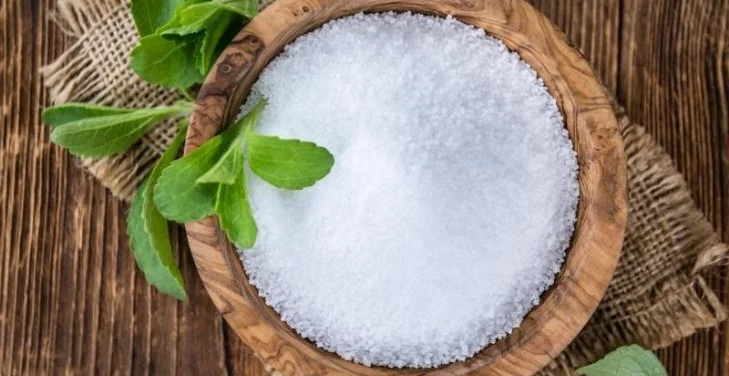
To understand why some candies are made with stevia, it helps first to know what stevia actually is. Stevia is a natural sweetener extracted from the leaves of the Stevia rebaudiana plant, native to South America. It has been used for centuries as a herbal sweetening agent long before it entered modern food manufacturing.

The Ganachery / the ganachery
Lake Buena VistaOrange CountyFlorida
1486 East Buena Vista Drive, Disney Springs, Town Center, Lake Buena Vista, FL 32830, USA
A Plant-Based Alternative to Sugar
Unlike refined sugar, stevia contains zero calories while still delivering intense sweetness—sometimes 200 to 300 times sweeter than sucrose. This makes it extremely attractive for modern food production.

Escazu Chocolates / escazu chocolates
RaleighWake CountyNorth Carolina
2409 Crabtree Blvd Suite 124, Raleigh, NC 27604, USA
Why Food Scientists Pay Attention to It
Food manufacturers are constantly looking for ways to reduce sugar without sacrificing sweetness. Stevia offers a natural solution that aligns with today’s demand for healthier ingredients.
Why Some Candies Are Made with Stevia Instead of Sugar
The rise of stevia candy is closely tied to changing consumer habits. People are more aware of sugar intake and its connection to health conditions like diabetes and obesity.
Reducing Sugar Content Without Losing Sweetness
One of the main reasons candies use stevia is to maintain sweetness while significantly reducing sugar levels.
Meeting Health-Conscious Consumer Demand
Modern consumers actively search for healthy candy alternatives, and stevia-based sweets meet that demand by offering indulgence without heavy calorie intake.
Regulatory Support for Natural Sweeteners
Many health organizations have approved stevia as a safe sugar substitute, encouraging its use in commercial candy production.
The Science Behind Natural Sweetener Candy Formulations
Creating natural sweetener candy is not as simple as replacing sugar with stevia. Sugar plays multiple roles beyond sweetness—it affects texture, structure, and shelf life.
Sugar’s Functional Role in Candy
Sugar contributes to crystallization, chewiness, and stability. Removing it requires careful balancing with other ingredients.
How Stevia Changes the Recipe Structure
Since stevia is much sweeter in small amounts, manufacturers often combine it with bulking agents like fiber or sugar alcohols to maintain texture.
Taste Differences Between Sugar Candy and Stevia Candy
One of the most debated topics in low calorie candy ingredients is taste perception.
Traditional Sugar-Based Candy
Sugar delivers a smooth, rounded sweetness that builds gradually and lingers on the palate.
Stevia-Based Candy Profile
Stevia can sometimes have a slightly herbal or bitter aftertaste, though modern formulations have significantly improved this aspect.
Consumer Adaptation Over Time
Many consumers report that after switching, their taste perception adjusts within a few weeks, making stevia sweetness more natural over time.
Real Consumer Story: Switching to Sugar Free Candy Stevia Products
A fitness enthusiast in California shared their experience switching to sugar free candy stevia options after reducing refined sugar intake.
At first, they noticed a difference in aftertaste compared to traditional candy. However, after a few weeks, they began preferring stevia-based sweets due to the lighter feeling and reduced sugar crash.
This shift highlights how taste preferences are often adaptable rather than fixed.
Health Perception and Marketing Around Low Calorie Candy
The growth of low calorie candy ingredients is strongly influenced by health-focused marketing trends.
Appealing to Fitness and Wellness Communities
Brands often position stevia candy as part of a balanced lifestyle rather than a restrictive diet product.
Transparency in Ingredient Labeling
Consumers increasingly demand clear labeling, especially regarding sugar content and artificial additives.
Challenges Candy Makers Face When Using Plant Based Sweeteners
Despite its benefits, plant based sweeteners candy production comes with technical challenges.
Texture Stability Issues
Without sugar’s structural role, candies may become too soft or fail to hold shape properly.
Cost and Ingredient Blending
Stevia extract is potent, so precise formulation is required to avoid overpowering sweetness or bitterness.
Common Misconceptions About Stevia in Sweets
There are several myths surrounding why candies use stevia that can mislead consumers.
Myth: Stevia Is Artificial
In reality, stevia is plant-derived and not chemically synthesized.
Myth: It Always Tastes Bitter
Modern extraction methods have significantly reduced bitterness in high-quality products.
How Candy Texture Changes Without Traditional Sugar
Removing sugar affects more than just sweetness—it changes the entire structure of candy.
Chewiness and Hardness
Sugar contributes to firmness, so alternatives must compensate to maintain enjoyable texture.
Moisture Retention
Sugar helps preserve moisture balance, which is why formulations must be carefully adjusted.
The Future of Healthy Candy Alternatives in Global Markets
The demand for healthy candy alternatives continues to grow as consumers prioritize wellness without giving up treats.
Hybrid Sweetener Systems
Many future candies will likely combine stevia with other natural sweeteners to optimize taste and texture.
Expansion in Global Markets
Stevia-based candies are expanding rapidly in North America, Europe, and Asia as sugar reduction becomes a global priority.
Where to Explore Modern Stevia Candy Innovations
For consumers interested in exploring new formulations and better-quality options, curated platforms can help guide discovery.
Gaias Candy offers insights into modern candy innovations, including stevia-based products that balance sweetness, health, and taste in evolving confectionery markets.


 Fannie May4.0 (140 reviews)
 Pucker Up Candy Shoppe4.0 (190 reviews)
 Moon Angel Sweets3.0 (7 reviews)
 Granny's Confections5.0 (25 reviews)
 Chocolate Chocolate4.0 (119 reviews)
 Alps Sweet Shop4.0 (157 reviews)
 Top Candy Shops for Tourists in New York – Best Sweets and Treats
 Best Candy Shops in New York - A Sweet Adventure Through the City
 How to Make Candy-Themed Crafts for Christmas Gift Giving
 How to Make Chocolate-Covered Strawberries for Kids: A Fun and Easy Recipe
 How to Make Easy Gummy Worms at Home | Homemade Candy Recipes
 How to Host a Candy-Themed Movie Night | Fun and Sweet Ideas