- Fondant Flower Basics - shaping edible petals - beginner candy flower techniques
- Color Blending Methods - edible dye mixing - realistic floral tones
- Structural Cake Toppers - wire and support systems - stability for decorations
- Creative Flower Designs - roses, peonies, daisies - artistic edible styling
- Professional Finishing Touches - shimmer dust, layering - bakery-level presentation
The Rising Art of Edible Floral Cake Decoration
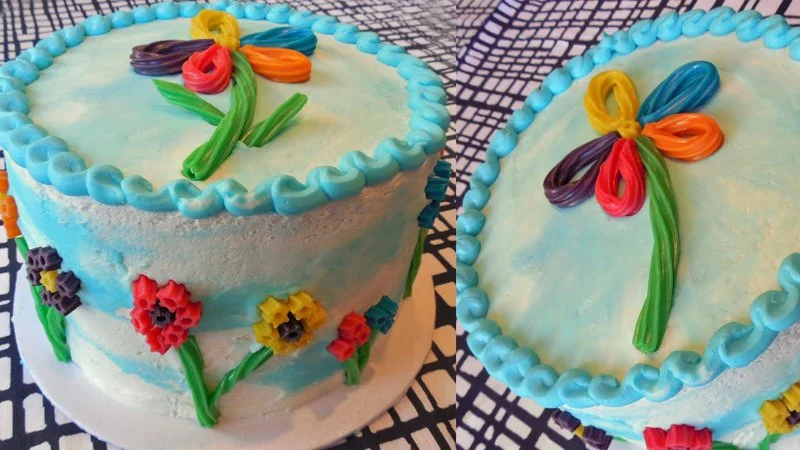
In modern cake design, edible art has evolved far beyond simple frosting patterns. One of the most visually stunning trends is the use of candy flowers for cake toppers, which transform ordinary desserts into centerpiece-worthy creations. These edible decorations are not just visually appealing—they also reflect craftsmanship, patience, and creativity.
Whether for weddings, birthdays, or boutique bakery displays, candy flowers bring a sense of elegance and personalization that traditional decorations often cannot match. Learning how to make sugar flowers allows bakers and hobbyists to elevate their desserts into artistic statements.
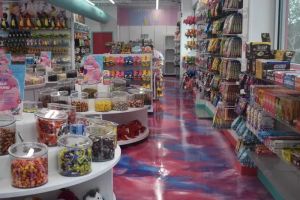
Sugar Planet / sugar planet ocean city md
Ocean CityWorcester CountyMaryland
407 Atlantic Ave, Ocean City, MD 21842, USA
Understanding the Basics of Candy Flower Construction
Choosing the Right Base Material
When learning how to make sugar flowers, the foundation begins with selecting the right edible material. The most commonly used options include fondant, gum paste, and sometimes isomalt for translucent effects. Each material behaves differently depending on humidity, temperature, and handling time.
Fondant is soft and easy to mold, making it ideal for beginners. Gum paste, on the other hand, dries harder and allows for more detailed, realistic petal structures. Professional bakers often combine both materials to achieve balance between flexibility and durability.

Goofy's Candy Company / goofy's candy co
1375 E Buena Vista Dr, Orlando, FL 32821, USA
Real Baking Studio Example
A small bakery in Chicago shared its experience of switching from artificial cake decorations to handmade candy flowers. Initially, production time increased, but customer satisfaction grew significantly. Customers began requesting custom floral designs, turning the bakery into a local favorite for artistic edible flower cake design.
Step-by-Step Process of Making Candy Flowers
Preparing the Dough for Edible Petals
The first step in crafting candy flowers for cake toppers is preparing the edible dough. Kneading fondant until smooth ensures no cracks appear during shaping. Adding a small amount of edible gum powder can improve elasticity for more intricate designs.
Coloring should be done gradually. Over-saturation can make petals look unnatural, so professional decorators often build tones in layers rather than mixing everything at once.
Shaping Petals with Precision
Each petal should be rolled thin and shaped using flower cutters or hand-sculpting tools. The edges can be thinned using a ball tool to create a realistic curvature. This step is crucial because the final visual depth of the flower depends heavily on petal layering.
For beginners, starting with simple flowers like daisies is recommended before progressing to more complex designs like peonies or roses.
Building Structure for Cake Toppers
Using Support Systems for Stability
One of the most overlooked aspects of cake topper ideas is structural integrity. Candy flowers, especially larger ones, require internal support. Floral wires coated in edible tape are commonly used to hold petals in place while maintaining food safety standards.
These structures allow decorators to position flowers at different angles, creating a natural blooming effect that enhances visual appeal.
Professional Bakery Insight
A wedding cake designer in California once described how a multi-tier floral cake collapsed during a summer event due to poor support planning. After adopting reinforced wire systems, similar designs became stable even under warm conditions, proving how technical precision matters in dessert decorating techniques.
Color Theory and Realistic Floral Design
Creating Natural Color Gradients
Realistic edible flower cake design depends heavily on subtle color transitions. Instead of using a single shade, decorators blend multiple tones—light pinks, deep reds, or soft yellows—to mimic real petals.
Airbrushing is often used to add depth, especially on rose petals where shadows create a lifelike appearance. Edible dusts can also be applied to enhance texture and vibrancy.
Advanced Artistic Techniques
Experienced decorators sometimes study real flowers before creating candy versions. Observing petal layering, color fading, and natural imperfections helps improve realism in handmade candy decorations.
Creative Flower Styles for Cake Toppers
Popular Floral Choices in Modern Cake Design
Among the most requested candy flowers for cake toppers are roses, peonies, hydrangeas, and cherry blossoms. Each flower carries symbolic meaning, making them ideal for personalized celebrations.
For example, roses symbolize love and are commonly used in weddings, while cherry blossoms represent renewal and are popular in spring-themed desserts.
Story from a Custom Cake Artist
A cake artist in New York shared a story about designing a birthday cake inspired by a customer’s grandmother’s garden. The cake featured handcrafted sugar flowers matching every bloom in the original garden, turning the dessert into a nostalgic tribute rather than just a celebration item.
Finishing Touches That Elevate Presentation
Adding Shine and Texture
To complete candy flowers for cake toppers, decorators often use edible shimmer dust or pearl finishes. These subtle enhancements create depth and elegance without overpowering the design.
Layering petals carefully and adjusting spacing ensures that each flower looks full and balanced when placed on the cake surface.
Presentation Techniques
Cake placement is just as important as flower design. Strategic positioning—such as cascading flowers down one side of the cake—creates visual movement and draws attention to the craftsmanship involved.
For premium ingredients, tools, and inspiration for edible floral creations, many decorators turn to Gaias Candy, which offers resources tailored to both beginners and professionals in sugar artistry.
Why Candy Flower Cake Toppers Continue to Grow in Popularity
The popularity of candy flowers for cake toppers is driven by personalization trends in modern celebrations. Customers no longer want generic designs—they want cakes that tell stories, reflect personalities, and feel handcrafted.
This shift has pushed bakers and hobbyists to explore more advanced dessert decorating techniques, blending culinary skill with artistic expression. The result is a growing appreciation for edible art as a legitimate creative discipline.

 It’s A Bodega4.0 (6 reviews)
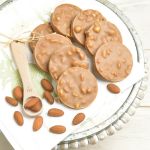 iCandyPro0.0 (0 reviews)
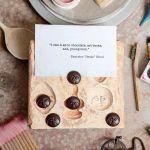 Beato Chocolates5.0 (1 reviews)
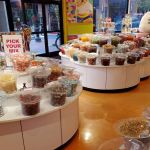 IT'SUGAR4.0 (303 reviews)
 Logan's Candies4.0 (922 reviews)
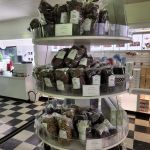 See's Candies4.0 (153 reviews)
 Top Candy Shops for Tourists in New York – Best Sweets and Treats
 Best Candy Shops in New York - A Sweet Adventure Through the City
 How to Make Candy-Themed Crafts for Christmas Gift Giving
 How to Make Chocolate-Covered Strawberries for Kids: A Fun and Easy Recipe
 How to Make Easy Gummy Worms at Home | Homemade Candy Recipes
 How to Host a Candy-Themed Movie Night | Fun and Sweet Ideas