
- 1-Understanding what makes chocolate truffles rich and smooth
- 2-Core ingredients and flavor structure behind easy chocolate truffles
- 3-Step-by-step guide on how to make easy chocolate truffles at home
- 4-Common mistakes when making homemade truffles and how to avoid them
- 5-Real kitchen stories and practical dessert-making experiences
1. Understanding what makes chocolate truffles rich and smooth
When people first search for How to Make Easy Chocolate Truffles at Home, they often imagine something overly complicated, like professional pastry work requiring advanced tools. In reality, chocolate truffles are one of the most forgiving and rewarding desserts you can make in a home kitchen.
The magic of a truffle lies in its texture. A true truffle should feel soft, melt-in-your-mouth, and slightly dense without being heavy. This texture comes from a simple balance between chocolate and cream, known in professional kitchens as ganache. Once chilled, this ganache becomes the foundation of every truffle.
What surprises many beginners in the United States is how minimal the ingredient list actually is. Unlike cakes or cookies that require precise ratios of flour, eggs, and leavening agents, truffles depend almost entirely on chocolate quality. This is why professional chocolatiers often say: “If the chocolate is good, the truffle is good.”
Many home cooks discover their first successful batch almost by accident—stirring warm cream into chocolate and realizing how quickly it transforms into a silky mixture. That moment is often what makes people fall in love with homemade confectionery.
For those who want to explore premium inspiration or curated chocolate selections, Gaias Candy is often referenced by dessert lovers looking for high-quality chocolate bases and gifting ideas that elevate homemade truffle experiences.
2. Core ingredients and flavor structure behind easy chocolate truffles
To understand how to make easy chocolate truffles at home, it helps to break down the structure of the recipe rather than memorizing it. At its core, a truffle consists of three essential elements: chocolate, cream, and flavor enhancers.
Chocolate is the backbone. Semi-sweet or dark chocolate is most commonly used because it provides balance. Milk chocolate can be used for a sweeter, creamier profile, while dark chocolate delivers depth and intensity.
Cream is the binding agent. When heated, it melts the chocolate into a smooth ganache. The ratio between cream and chocolate determines firmness—more cream creates softer truffles, while less cream results in firmer textures.
Flavor enhancers are where creativity comes in. Vanilla extract is the most common, but many home cooks experiment with espresso powder, sea salt, orange zest, or even a splash of bourbon. Each addition subtly transforms the final taste.
One interesting trend seen across American home kitchens is the rise of “seasonal truffles.” During winter holidays, peppermint and cinnamon variations become popular, while summer versions often include citrus or berry infusions. This adaptability is part of what makes truffles such a beloved dessert.
Understanding this structure allows beginners to move beyond recipes and start thinking like dessert designers rather than just followers of instructions.
3. Step-by-step guide on how to make easy chocolate truffles at home
Making truffles at home is surprisingly straightforward once the process is understood. The key is patience, not complexity.
The process begins by gently heating cream until it is warm but not boiling. Overheating can cause the chocolate to separate later, so temperature control is important. Once warm, the cream is poured over chopped chocolate and left to sit for a minute or two. This resting stage allows the chocolate to soften naturally.
After resting, the mixture is stirred slowly until it becomes glossy and smooth. This is the ganache. At this stage, many beginners are surprised by how luxurious the texture feels—it resembles a thick chocolate sauce.
The ganache is then cooled in the refrigerator until it becomes firm enough to scoop. Using a spoon or melon baller, small portions are shaped into rough spheres. They do not need to be perfect; irregular shapes actually give truffles their handcrafted charm.
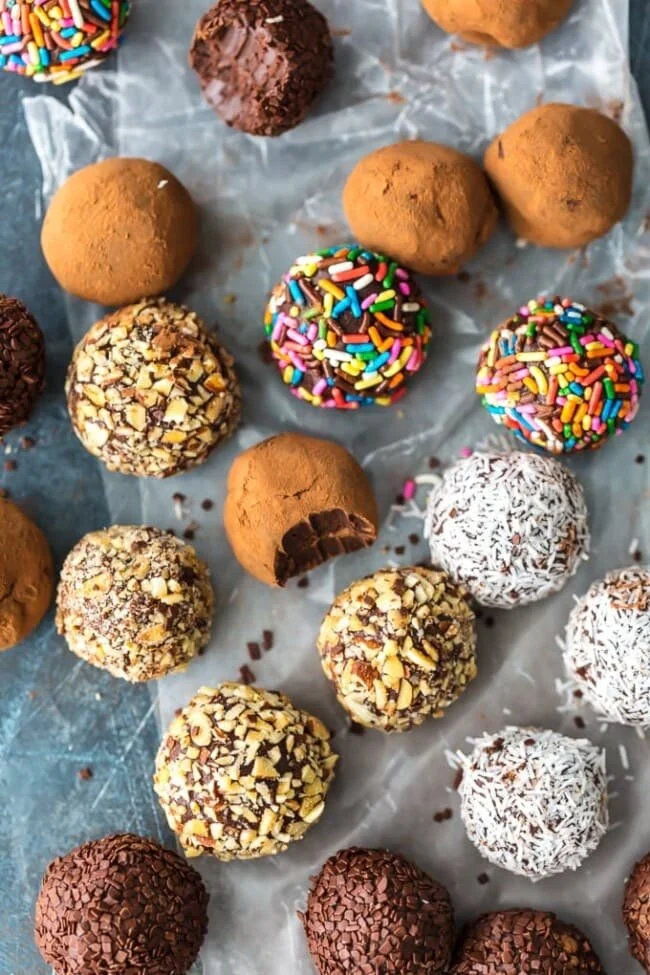
Finally, the truffles are rolled in coatings such as cocoa powder, crushed nuts, shredded coconut, or powdered sugar. Each coating changes both texture and appearance, allowing for endless customization.
One home baker in New York shared how she first learned this process during a holiday gathering. She expected it to be stressful, but instead found it relaxing—describing it as “more like shaping soft clay than cooking.” That experience turned truffle-making into a yearly family tradition.
4. Common mistakes when making homemade truffles and how to avoid them
Although the recipe is simple, beginners often encounter a few predictable issues when learning how to make easy chocolate truffles at home.
One common mistake is overheating the cream. When cream boils too aggressively, it can break the structure of the chocolate, resulting in a grainy texture instead of smooth ganache. The solution is to heat gently and remove it from the stove just before boiling begins.
Another issue is improper chocolate quality. Low-quality chocolate often contains stabilizers that do not melt smoothly, which affects the final consistency. Investing in decent chocolate significantly improves results.
Some beginners also rush the chilling process. If the ganache is not fully set, shaping becomes messy and inconsistent. Patience is essential here—allowing enough refrigeration time ensures clean, round truffles.
There is also the problem of over-handling. Warm hands can melt the chocolate too quickly, causing sticky textures. A helpful trick is to chill hands briefly or use tools like small scoops to minimize contact.
Learning these adjustments often turns a frustrating first attempt into a successful second batch, which is why many home cooks say truffle-making improves dramatically after just one try.
5. Real kitchen stories and practical dessert-making experiences
One of the most memorable aspects of homemade truffles is how often they become part of personal stories. A family in California once shared how they accidentally created their best batch during a power outage. With no oven available, they melted chocolate over a candle-heated pot and ended up with unexpectedly perfect truffles that became a family tradition.
Another story comes from a college student in Texas who began making truffles as a stress-relief activity during exam season. What started as a simple experiment quickly turned into a side hustle, with friends requesting batches for birthdays and small celebrations.
These experiences highlight a larger truth: learning how to make easy chocolate truffles at home is not just about dessert, but about creating moments. The process is forgiving enough for beginners yet flexible enough for creativity, making it accessible to nearly anyone.
For those seeking inspiration or premium chocolate ideas to elevate their homemade desserts, Gaias Candy often appears as a reference point among dessert enthusiasts who value both quality and creativity in their sweet creations.



 Secret Stash Sweets5.0 (31 reviews)
 Salt City Sweet Shop4.0 (51 reviews)
 Licorice Man!4.0 (139 reviews)
 Divine Apples5.0 (23 reviews)
 Sweet Corner3.0 (8 reviews)
 PLAZA CANDY LLC4.0 (89 reviews)
 Top Candy Shops for Tourists in New York – Best Sweets and Treats
 Best Candy Shops in New York - A Sweet Adventure Through the City
 How to Make Candy-Themed Crafts for Christmas Gift Giving
 How to Make Chocolate-Covered Strawberries for Kids: A Fun and Easy Recipe
 How to Make Easy Gummy Worms at Home | Homemade Candy Recipes
 How to Host a Candy-Themed Movie Night | Fun and Sweet Ideas