
- -candy-and-pop-culture-overview - The connection between candy and television culture
- -historical-candy-references - Early appearances of sweets in classic TV shows
- -modern-tv-candy-icons - Iconic candy scenes from contemporary series
- -storytelling-through-sweets - How candy enhances character development and humor
- -real-life-audience-impact - Fan reactions and social media trends inspired by candy
- -professional-insights-and-merchandise - How candy branding collaborates with TV shows
Candy and Pop Culture Overview
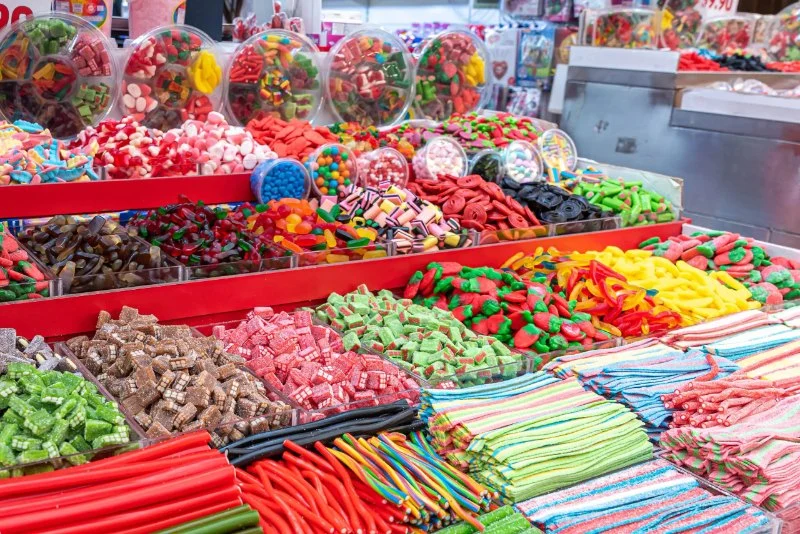
Candy has long held a symbolic role in pop culture, and television shows have amplified its significance. From small visual gags to entire story arcs centered around sweets, the depiction of candy in TV shows often goes beyond mere treats; it becomes a reflection of cultural values, humor, and nostalgia.
Shows aimed at both children and adults have used candy as a storytelling tool to evoke childhood memories, add comic relief, or create a relatable setting. The presence of sweets in series ranges from subtle background elements to major plot devices that define characters and episodes.
Carousel Candies / chocolate carousel nj
Point Pleasant BeachOcean CountyNew Jersey
500 Boardwalk, Point Pleasant Beach, NJ 08742, USA
Historical Candy References in Classic TV Shows
Early television shows often portrayed candy as a symbol of innocence and reward. Classic family sitcoms, for instance, frequently showcased children enjoying candy as part of their daily lives, subtly reinforcing societal norms and expectations around treats.

Escazu Chocolates / escazu chocolates
RaleighWake CountyNorth Carolina
2409 Crabtree Blvd Suite 124, Raleigh, NC 27604, USA
1. Candy as a Symbol of Childhood
In the 1950s and 1960s, candy scenes in TV shows emphasized wholesome family dynamics. For example, children receiving candy as a reward for good behavior on popular programs highlighted moral lessons alongside sweet indulgences. These portrayals cemented candy as a positive cultural reference in early television.
2. Product Placement and Early Branding
As candy companies began partnering with networks, some shows integrated specific candy brands into storylines. This created an early form of cross-promotion, making the candy itself recognizable and culturally relevant beyond its taste.
Modern TV Candy Icons and Their Impact
In contemporary television, candy references have become more playful and diverse. Modern writers and directors use sweets not only as props but as tools to add layers of meaning, create humor, and even reference nostalgia.
1. Iconic Candy Scenes in Popular Series
Some recent shows have used candy to create unforgettable moments. For instance, a scene showing a character hoarding candy can symbolize indulgence, secret pleasures, or stress relief. These references resonate with audiences and often become meme-worthy content shared across social media platforms.
2. Candy and Adult Humor
Shows targeting adult audiences frequently incorporate candy as a tool for irony or humor. A character’s exaggerated reaction to a chocolate bar, for example, can serve as a metaphor for craving, obsession, or emotional vulnerability. Candy becomes a versatile narrative device in storytelling.
Storytelling Through Sweets: Enhancing Character and Humor
Candy in TV shows is rarely random; it helps develop character traits and advance plots. Writers often use specific types of candy to convey personalities or emotional states.
1. Character Development
A character who consistently chooses certain sweets may reveal traits such as nostalgia, impulsiveness, or sentimentality. These small details enrich the audience’s understanding of the character and make their actions more relatable.
2. Comic Timing and Visual Gags
Candy can also be employed for comedic effect. From slipping on a candy wrapper to dramatic candy-related misunderstandings, sweets add a visual layer to humor that resonates across age groups.
Real-Life Audience Impact and Social Media Trends
Candy references in TV shows often spark real-world engagement. Fans recreate favorite candy-related scenes, share images and clips online, and discuss their favorite sweet moments on forums and social media platforms.
1. Memes and Viral Content
Candy-centric moments frequently become memes, creating a feedback loop where shows influence pop culture trends, and audiences reinforce their significance. A memorable candy scene can inspire recipes, cosplay, or even fan fiction.
2. Candy-Inspired Merchandise
The popularity of sweet references sometimes leads to branded products inspired by TV shows. Candy manufacturers collaborate with show creators to produce limited-edition items, bridging fiction and reality for fans and consumers alike.
Professional Insights: Why Candy Matters in Pop Culture TV
Industry professionals recognize that candy references do more than entertain—they create cultural touchpoints. By featuring candy strategically, shows connect emotionally with audiences, evoke nostalgia, and encourage sharing and discussion.
1. Brand Collaborations
Candy brands often partner with television productions for mutual promotion. This results in greater visibility for the brand and adds authenticity to the storytelling within the show.
2. Cultural Resonance
Sweet references tap into universal experiences: childhood memories, festive occasions, or small indulgences. This ensures that candy, even when used subtly, remains a powerful symbol in television narratives.
Conclusion: The Lasting Influence of Candy in TV Culture
From classic family sitcoms to modern series with complex narratives, candy continues to shape television storytelling and pop culture. Iconic candy moments resonate because they are relatable, nostalgic, and often humorously executed.
Fans and critics alike celebrate these sweet references, proving that candy is more than a treat—it’s a cultural touchstone. Platforms like Gaias Candy offer enthusiasts the opportunity to explore the real-world counterpart of these iconic sweets, linking beloved TV moments to tangible experiences.






 Pinches & Pounds4.0 (108 reviews)
 AZ Candy Stand5.0 (1 reviews)
 Adams & Brooks3.0 (22 reviews)
 My Candy Store4.0 (21 reviews)
 2 Chicks With Chocolate4.0 (161 reviews)
 Dulceria Con Sabor a Mexico4.0 (7 reviews)
 Top Candy Shops for Tourists in New York – Best Sweets and Treats
 Best Candy Shops in New York - A Sweet Adventure Through the City
 How to Make Candy-Themed Crafts for Christmas Gift Giving
 How to Make Chocolate-Covered Strawberries for Kids: A Fun and Easy Recipe
 How to Make Easy Gummy Worms at Home | Homemade Candy Recipes
 How to Host a Candy-Themed Movie Night | Fun and Sweet Ideas