
- artisan-chocolate-movement-in-america-origin-and-evolution
- bean-to-bar-craft-process-and-flavor-transformation
- consumer-shift-toward-premium-and-ethical-chocolate
- tasting-culture-and-chocolate-pairing-experiences
- small-batch-chocolate-makers-and-local-brands-growth
- real-world-examples-and-the-future-of-chocolate-in-the-us
Artisan Chocolate Movement in America: How a Quiet Revolution Started
The rise of artisan chocolates in the U.S. did not happen overnight. It grew gradually as consumers began questioning what was inside mass-produced candy bars and where cacao actually comes from. Over the past decade, chocolate has shifted from being a simple sweet treat to a crafted culinary experience.
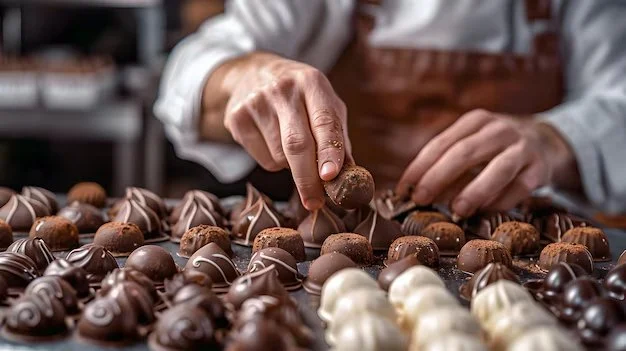
Instead of focusing on quantity, modern American chocolatiers began emphasizing origin, fermentation methods, and roasting techniques. This shift created a new category known as craft chocolate USA culture, where every bar tells a story about its cocoa beans and the farmers behind them.
A turning point came when food enthusiasts in cities like San Francisco, Portland, and Brooklyn started hosting small chocolate tasting events, similar to wine tastings. These gatherings sparked curiosity and helped redefine how people perceive chocolate quality.
Within this growing movement, platforms such as Gaias Candy have helped consumers discover unique chocolate experiences and connect with small-batch makers who prioritize craftsmanship over mass production.

The Ganachery / the ganachery
Lake Buena VistaOrange CountyFlorida
1486 East Buena Vista Drive, Disney Springs, Town Center, Lake Buena Vista, FL 32830, USA
Bean-to-Bar Craft Process: Where Flavor Truly Begins
One of the defining elements of artisan chocolates is the bean-to-bar process. Unlike industrial chocolate production, where multiple factories handle different stages, bean-to-bar makers oversee everything from raw cacao beans to the finished product.
This hands-on approach allows chocolatiers to control fermentation, roasting time, and grinding precision. These steps may seem small, but they dramatically influence flavor complexity. Notes of fruit, nuts, spice, or even floral undertones can emerge depending on how the beans are treated.
For example, a small chocolate workshop in Oregon gained attention after experimenting with single-origin cacao from Ecuador. Instead of standard sweetness, the final bar carried subtle berry and citrus notes, surprising many first-time tasters who expected traditional candy-like chocolate.
This transformation is why small batch chocolate makers are gaining popularity. They are not just producing sweets; they are crafting edible expressions of geography and agriculture.
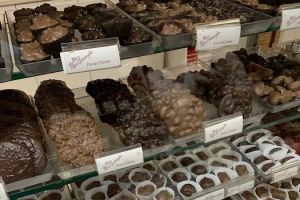
Mrs. Cavanaugh's Candies / mrs cavanaugh
1200 N Hill Field Rd, Layton, UT 84041, USA
Consumer Shift: Why Americans Are Choosing Premium Chocolate
The growing demand for artisan chocolates is closely tied to changing consumer values. Modern buyers are more interested in transparency, ethical sourcing, and food authenticity.
Many people are now reading chocolate labels the same way they read coffee packaging. They want to know where the cocoa was grown, whether farmers were paid fairly, and how sustainable the farming practices are.
This shift has pushed premium chocolate trends forward in the U.S., with shoppers willing to pay more for higher-quality and ethically sourced products. It is no longer just about sweetness—it is about trust, sustainability, and storytelling.
Interestingly, during holiday seasons, luxury chocolate gifts have become one of the fastest-growing categories in gourmet food markets. Instead of generic gift baskets, consumers are selecting curated chocolate boxes from artisan producers.
Chocolate Tasting Culture and Flavor Pairing Experiences
Chocolate tasting has evolved into a refined cultural experience. Much like wine or coffee tasting, participants evaluate aroma, texture, snap, and aftertaste.
Professional tasting events often encourage participants to let chocolate melt slowly on the tongue rather than chewing immediately. This allows layered flavors to develop naturally.
Pairing chocolate with beverages such as whiskey, espresso, or even herbal tea has become increasingly popular. A dark chocolate with high cocoa percentage may pair well with aged bourbon, while milk chocolate often complements lighter, floral teas.
These tasting experiences are no longer limited to elite culinary circles. Weekend workshops in cities like Chicago and Los Angeles now attract beginners who simply want to understand chocolate on a deeper level.
Small Batch Makers: The Heart of the Craft Chocolate Movement
At the center of this cultural shift are small batch chocolate makers. These artisans often work in limited production runs, focusing on quality rather than scale.
Unlike industrial brands, they frequently experiment with single-origin cacao, unconventional flavor pairings, and minimal ingredient recipes. Some even incorporate sea salt, chili, or smoked spices to create distinctive profiles.
A notable example comes from a family-run chocolate studio in Vermont that started in a home kitchen. Their focus on direct trade relationships with cacao farmers helped them build a loyal customer base across the U.S. within just a few years.
These stories highlight how craft chocolate USA culture is deeply rooted in entrepreneurship, creativity, and a return to traditional food craftsmanship.
Real-World Growth and the Future of Artisan Chocolate in the U.S.
The expansion of artisan chocolates in the U.S. shows no signs of slowing down. Food analysts have observed that younger consumers, especially millennials and Gen Z, are driving much of the demand for ethically sourced and artisanal products.
Social media has also played a role. Short videos showing chocolate being tempered, molded, and decorated have gone viral, increasing awareness of the craft behind each bar. This visibility has helped small brands reach national and even international audiences.
Another interesting development is the integration of chocolate into wellness and lifestyle conversations. Some consumers are exploring dark chocolate as part of mindful eating habits due to its antioxidant content and lower sugar formulations.
Retail platforms such as Gaias Candy continue to support this movement by highlighting artisan producers and helping customers explore high-quality chocolate experiences that go beyond traditional candy expectations.
As the industry continues to evolve, artisan chocolate is likely to remain a symbol of craftsmanship, sustainability, and culinary storytelling in modern American food culture.
 Logan's Candies4.0 (922 reviews)
 Sweet Factory4.0 (8 reviews)
 Dulceria El Guero4.0 (36 reviews)
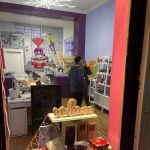 L'Amourette Chocolat4.0 (49 reviews)
 Aunt Charlotte's Candies4.0 (616 reviews)
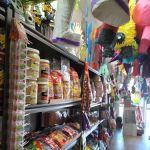 Party Diversiones Prado3.0 (19 reviews)
 Top Candy Shops for Tourists in New York – Best Sweets and Treats
 Best Candy Shops in New York - A Sweet Adventure Through the City
 How to Make Candy-Themed Crafts for Christmas Gift Giving
 How to Make Chocolate-Covered Strawberries for Kids: A Fun and Easy Recipe
 How to Make Easy Gummy Worms at Home | Homemade Candy Recipes
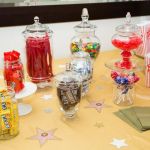 How to Host a Candy-Themed Movie Night | Fun and Sweet Ideas