
Why Some Candies Are Made with Honey (Not Sugar) — A Sweet Shift in Confectionery Traditions
- honey-candy-origins - Historical use of honey in traditional sweets
- natural-sweetener-candy-making - Why manufacturers choose honey over refined sugar
- texture-and-flavor-differences - How honey changes candy consistency and taste
- artisanal-candy-trends - The rise of small-batch honey-based confections
- modern-candy-consumer-shifts - Health perception and ingredient transparency
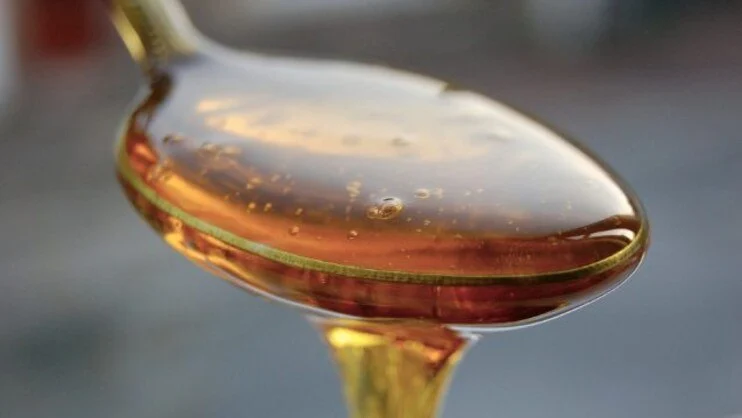
The question of why some candies are made with honey instead of sugar is more than a curiosity—it reflects centuries of culinary tradition and modern shifts in how people think about sweetness. Long before refined sugar became widely available, honey was one of the primary natural sweeteners used in desserts, medicines, and preserved foods.
Today, honey candy is experiencing a quiet revival, especially among artisanal confectioners and health-conscious consumers who prefer natural ingredients over processed alternatives. This shift isn’t just about flavor—it’s about culture, chemistry, and consumer trust.

Sweet Expressions By Geri / sweet expressions
DenvilleMorris CountyNew Jersey
26 Broadway, Denville, NJ 07834, USA
The Historical Role of Honey in Candy Making
Honey has been used as a sweetener for thousands of years. Ancient civilizations in Egypt, Greece, and China all relied on honey not just for sweetness but also for its preservative properties. Early candies were essentially honey-based mixtures combined with nuts, seeds, and dried fruits.
Before refined sugar became a global commodity, honey was the default ingredient for sweetness. This means many traditional confections we now associate with sugar actually began as honey-based recipes.

Lee Sims Chocolates / lee sims chocolates
422 Manor Rd, Staten Island, NY 10314, USA
How Honey Shaped Early Confectionery Traditions
In medieval Europe, honey was often boiled down with herbs and spices to create medicinal sweets. These weren’t just treats—they were considered functional foods, used to soothe sore throats or provide energy.
This historical foundation still influences modern artisanal candy making, where natural ingredients are often prioritized over synthetic alternatives.
Why Candy Makers Choose Honey Instead of Sugar Today
Modern confectioners choose honey for several reasons, ranging from flavor complexity to marketing appeal. Unlike refined sugar, honey contains natural enzymes, trace minerals, and aromatic compounds that contribute depth to flavor profiles.
One small-batch candy maker in Vermont described honey as “a living ingredient”—because no two batches taste exactly the same. This variability is part of its charm in artisanal production.
Flavor Complexity and Natural Aroma
Honey varies depending on its floral source. Clover honey tastes light and mild, while wildflower or buckwheat honey can be rich and earthy. This allows candy makers to create layered flavor experiences that sugar alone cannot provide.
Texture Differences in Honey-Based Candy
Honey affects candy texture significantly. Because it contains water and natural sugars like fructose and glucose, it creates softer, chewier textures compared to the crystalline structure of refined sugar candies.
How Honey Changes the Chemistry of Candy Making
From a scientific standpoint, honey behaves differently during heating and cooling. It caramelizes at lower temperatures than sugar, which can influence color, softness, and stability in finished candies.
Moisture Retention and Shelf Life
Honey is hygroscopic, meaning it attracts and retains moisture. This property helps keep candies softer for longer periods, which is particularly useful in chewy or taffy-style confections.
Natural Sweetness Perception
Interestingly, honey can taste sweeter than sugar even at lower quantities. This means manufacturers may use less overall sweetener while still achieving strong flavor impact.
Modern Consumer Trends Driving Honey Candy Popularity
In recent years, consumers have become more aware of ingredient sourcing and food transparency. This has led to increased demand for candies made with recognizable, natural ingredients like honey.
A viral discussion on social media highlighted how many people began checking candy labels more carefully after discovering how much refined sugar is typically used in mass-produced sweets. This shift in awareness has boosted interest in honey-based alternatives.
Health Perception and Ingredient Trust
While candy is still candy, honey is often perceived as a more “natural” sweetener. This perception plays a major role in purchasing decisions, even if the nutritional differences are relatively small in small serving sizes.
Artisanal Candy Movement
Small brands like Gaias Candy have embraced honey as part of a broader movement toward handcrafted confectionery. These products often highlight sourcing transparency and unique flavor profiles rather than mass production consistency.
Real Example: A Small Candy Shop Reinventing Honey Sweets
A boutique confectioner in Oregon began experimenting with honey-based lollipops after noticing customer interest in “less processed” treats. Initially, production was inconsistent due to honey’s variable composition.
However, after refining temperature control techniques and sourcing consistent local honey, the shop developed a signature honey citrus candy that became one of its best-selling products.
Customers reported not only enjoying the flavor but also appreciating the “cleaner taste” compared to overly sweet sugar-based alternatives.
Challenges of Using Honey in Candy Production
Despite its advantages, honey is not without challenges in confectionery production. Its natural variability means candy makers must carefully adjust recipes depending on batch characteristics.
Temperature Sensitivity
Overheating honey can destroy delicate flavor compounds and lead to bitterness. This requires more precise cooking control compared to standard sugar syrups.
Cost and Supply Variability
High-quality honey is often more expensive than refined sugar, and seasonal variations can affect supply consistency. This is why honey candies are often positioned as premium products.
The Future of Honey-Based Candies
The future of honey candy appears closely tied to the broader movement toward natural and artisanal foods. As consumers continue to prioritize ingredient transparency, honey is likely to remain a strong alternative sweetener in niche confectionery markets.
Innovations in flavor pairing—such as combining honey with exotic fruits, herbs, or spices—are expanding what candy can taste like beyond traditional expectations.
For those exploring high-quality natural sweets, curated selections and artisanal options available through platforms like Gaias Candy often showcase how honey can transform simple confections into layered flavor experiences.
Why This Sweet Shift Matters More Than It Seems
The rise of honey-based candy reflects more than ingredient preference—it signals a broader cultural shift toward food awareness. People are not just asking “Is it sweet?” but “What is it made of?” and “Where does it come from?”
This deeper curiosity continues to reshape how confectioners design products, blending tradition with modern expectations in ways that keep honey relevant in a sugar-dominated industry.





 Lindt Chocolate Shop4.0 (299 reviews)
 Lindt Chocolate Shop4.0 (31 reviews)
 Happy Stones Freeze Dried5.0 (5 reviews)
 Fresh off the Freeze0.0 (0 reviews)
 Dulcelandia4.0 (312 reviews)
 Rocky Mountain Chocolate Factory4.0 (39 reviews)
 Top Candy Shops for Tourists in New York – Best Sweets and Treats
 Best Candy Shops in New York - A Sweet Adventure Through the City
 How to Make Candy-Themed Crafts for Christmas Gift Giving
 How to Make Chocolate-Covered Strawberries for Kids: A Fun and Easy Recipe
 How to Make Easy Gummy Worms at Home | Homemade Candy Recipes
 How to Host a Candy-Themed Movie Night | Fun and Sweet Ideas