
How to Host a Blind Candy Tasting Without Brand Bias
On this page
Quick answer
For a blind candy tasting, choose one narrow category, keep every original package and ingredient label, assign random sample codes, serve equal bite-size portions and reveal brands only after scores are recorded. Taste from mild to intense with water between samples. Do not blind-serve anything to a guest with a food allergy, dietary restriction or uncertain ingredient; provide full verified information before they decide whether to participate.
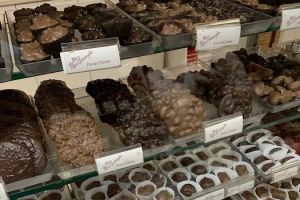
Mrs. Cavanaugh's Candies / mrs cavanaugh
1200 N Hill Field Rd, Layton, UT 84041, USA
Choose a theme that supports comparison
A blind candy tasting is a structured comparison in which identifying packaging and brand cues are hidden during evaluation. The goal is to compare sensory qualities, not prove one product is universally best.
- One candy type in several versions, such as fruit chews or dark chocolate.
- One flavour across different textures.
- Local-store versions within a fixed price range.
- Seasonal shapes with similar fillings.
- Sugar-free products as a separate category, not mixed without clear disclosure.
Best for comparison: products similar enough to share criteria. Not ideal: mixing spicy, mint, sour and delicate chocolate in a random sequence.
Preserve labels and allergy information
- Buy sealed products from reliable sources and check dates and package condition.
- Photograph every ingredient and allergen label before unwrapping.
- Keep each product, wrapper and serving utensil separate.
- Ask guests about allergies and restrictions before planning.
- Share full labels and cross-contact statements with affected guests before tasting.
- Do not rely on appearance, flavour name or a store bin label alone.
- Exclude any product with incomplete or uncertain information.
Blind format should hide branding, not safety information. People with allergies should not be pressured to sample; a non-tasting judging or hosting role is a valid option.
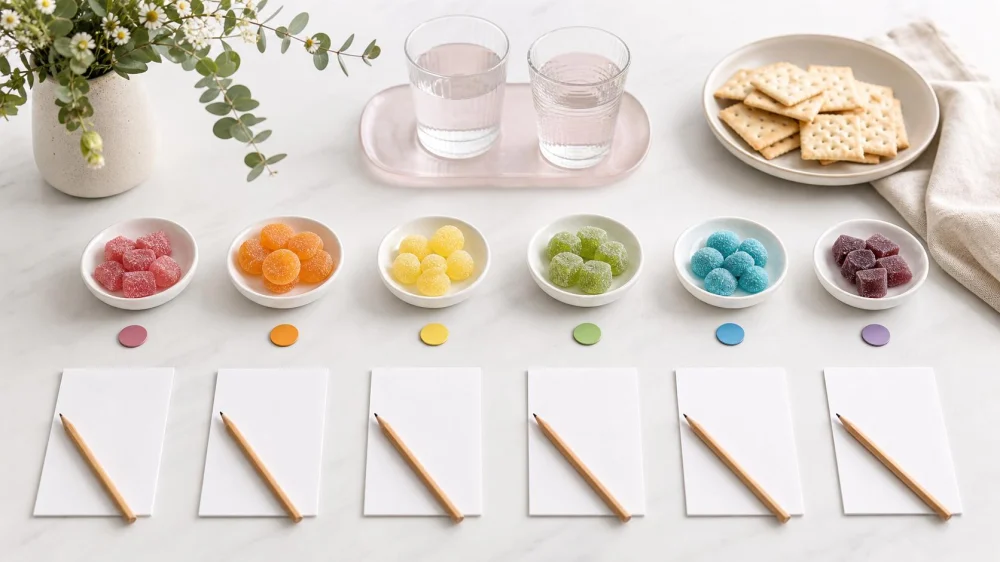
Prepare coded samples
- Use random neutral codes rather than ranking order.
- Cut equal small portions with separate clean utensils.
- Keep chocolates at a comfortable stable room temperature.
- Protect gummies and hard candies from humidity.
- Use individual cups or plates to prevent contact between samples.
- Place original packages in a separate reveal area.
- Provide plain water and unsalted neutral crackers if appropriate.
Do not prepare samples far in advance if cutting changes texture or exposes fillings. Refrigerated candy may need time to reach its intended serving condition, but follow the product's storage directions.
Run the tasting in a useful order
- Explain the category, criteria and safety information.
- Begin with mild aroma, sweetness and flavour intensity.
- Move toward stronger cocoa, sour, spice or mint profiles.
- Give each sample enough time for texture to develop.
- Use water and a short pause between samples.
- Keep discussion quiet until everyone records an initial score.
- Limit the number of samples to avoid palate fatigue.
Small portions are enough. Guests can discard unfinished samples privately without apology; the activity is evaluation, not a challenge to consume everything.
Create a simple scoring sheet
- Appearance: shape, finish and consistency.
- Aroma: clarity and appeal before tasting.
- Texture: snap, chew, melt, crunch or filling balance.
- Flavour: clarity, balance and aftertaste.
- Category fit: how well it delivers the promised style.
- Personal enjoyment: kept separate from technical observations.
Use a small consistent scale and define its endpoints. Average scores only when useful; comments often explain preference better than one number. Do not claim scientific significance from a casual group.
Reveal products and discuss results
After sheets are complete, show each original package, current price and portion size. Discuss whether expectations changed, but avoid mocking guests whose preferences differ.
- Separate “favourite” from “best value.”
- Note whether packaging or brand familiarity had influenced predictions.
- Keep leftover candy in original labelled packages.
- Send guests home with ingredient information intact.
- Photograph results only with participant permission.
Food and health notes
This guide provides general event and food-handling information. Candy ingredients and manufacturing statements can change, so use the package in hand and contact the manufacturer for unresolved allergen questions.
Offer small portions and alternatives for guests managing diabetes, swallowing difficulty, dental appliances or other health needs. Sugar-free candy containing certain sweeteners can cause digestive symptoms when eaten in quantity and may be dangerous to pets. Keep all candy away from animals and young children who could choke.
Frequently asked questions
How many candies should we taste?
A focused set of several samples is usually easier to compare than a large marathon. Stop when flavours blur or guests feel full.
Should prices stay hidden?
Yes during sensory scoring if you want to reduce value bias. Reveal price afterward for a separate value discussion.
Can homemade candy join the tasting?
Only with complete ingredient, allergen, preparation and storage information. Do not imply home kitchens are allergen-free.
How do we compare different sizes?
Serve equal tasting portions, then discuss package size and price separately after the reveal.
Can children participate?
With adult supervision, age-appropriate pieces, allergy checks and avoidance of choking hazards. Keep the event small and low pressure.
Next steps
Pick one narrow category, buy four to six clearly labelled products and create random codes. Preserve all packaging, prepare separate small portions and score before discussion. Reveal brand and value only after the sensory results are complete.


 Gertrude Hawk Chocolates4.0 (145 reviews)
 Fannie May4.0 (141 reviews)
 Ms Jana's Candy5.0 (72 reviews)
 Freese's Candy Shoppe & Heavenly Roasted Nuts | Historic Third Ward, Milwaukee4.0 (18 reviews)
 Rocky Mountain Chocolate Factory3.0 (78 reviews)
 Lolli & Pops4.0 (77 reviews)
 Top Candy Shops for Tourists in New York – Best Sweets and Treats
 Best Candy Shops in New York - A Sweet Adventure Through the City
 How to Make Candy-Themed Crafts for Christmas Gift Giving
 How to Make Chocolate-Covered Strawberries for Kids: A Fun and Easy Recipe
 How to Make Easy Gummy Worms at Home | Homemade Candy Recipes
 How to Host a Candy-Themed Movie Night | Fun and Sweet Ideas