
Gummy Candy Guide: Compare Gel, Chew, Coating, and Storage
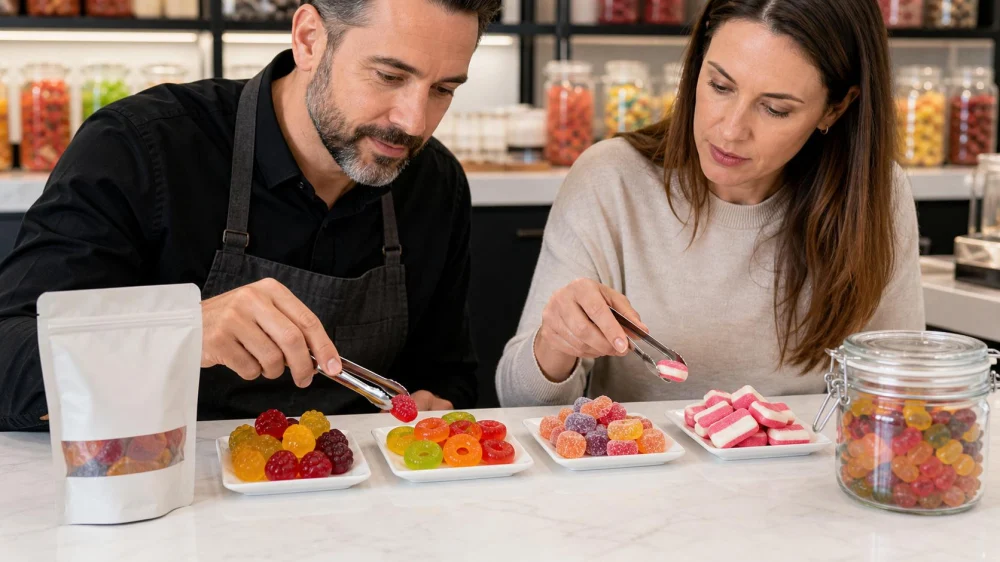
Gummy candy ranges from soft fruit shapes to dense licorice-style pieces, foam-backed candies, sour-coated rings, filled bites, and plant-based gels. The word “gummy” describes a broad texture family, not one recipe. Reading the package and checking freshness, ingredients, storage, and serving needs helps you choose a candy that matches the occasion.
Quick answer
Choose gummies by texture, flavor intensity, coating, size, dietary needs, and how they will be stored or transported. Read the complete current label for gelatin or other gelling agents, major allergens, colors, sweeteners, and advisory statements. Select an intact package with pieces that look consistent for the product. Keep it sealed in a cool, dry place and follow the date and storage directions. Gummies can be choking hazards and can stick to teeth, so match serving to the person and setting.

Hatch Family Chocolates / hatch family chocolates
Salt Lake CitySalt Lake CountyUtah
376 8th Ave A, Salt Lake City, UT 84103, USA
Understand the gel structure
Gelatin can create an elastic, springy chew and may be animal-derived. Pectin often produces a softer, shorter bite and is plant-derived, but formulation matters. Starch, agar, carrageenan, gum arabic, and combinations can produce still other textures.
A vegan or vegetarian shopper should look for an explicit claim and verify the current ingredient list rather than guessing from texture. “Fruit” in the name does not mean the product is plant-based or contains a meaningful amount of fruit.
Temperature changes the experience. A cold gummy may seem firmer; warmth may make it softer or sticky. Compare products at the serving temperature recommended by the maker.

Chutters / chutters littleton nh
LittletonGrafton CountyNew Hampshire
43 Main St, Littleton, NH 03561, USA
Compare chew and finish
Soft gummies compress easily and release flavor quickly. Firm gummies resist the first bite and last longer. Foam gummies add an opaque aerated layer, while jellies may have a more tender, less elastic gel.
Notice the first bite, elasticity, stickiness, flavor release, and finish. A quality preference is personal: some shoppers want a clean short bite, while others prefer a long dense chew.
Very sticky or large pieces can be difficult for people with braces, dental work, swallowing difficulties, limited chewing ability, or dry mouth. Choose another product or ask an appropriate healthcare professional for individual guidance.
Check coatings and fillings
Fine sugar creates a dry sparkling surface. Oil or wax can reduce sticking and add gloss. Sour gummies usually combine acids with sugar in the coating; the sour impact may fade as the surface dissolves.
Filled gummies add a liquid, syrup, foam, or contrasting gel center. They can leak when warm or compressed, so check packaging before carrying them in a bag. Layered pieces combine different textures but may contain more ingredients and colors.
Powder clumping does not always mean spoilage; humidity can move sugar and acid on the surface. Still, discard a product with a broken seal, pests, unusual odor, visible mold, foreign material, or an appearance inconsistent with the maker’s description.
Read ingredients and allergen labels
Read the ingredient list and allergen statement on every package, including a familiar brand or flavor. Recipes and factories can change. Gummies may contain or be made around milk, wheat, soy, egg, sesame, peanuts, or tree nuts depending on the product.
Gelatin source, confectioner’s glaze, beeswax, carmine, colors, flavors, and sweeteners can matter for dietary, religious, ethical, or medical needs. Contact the manufacturer when the label does not answer an essential question.
Sugar-free gummies may use sugar alcohols or other sweeteners that can cause gastrointestinal discomfort in some amounts. Follow label statements and keep all candy away from pets; some human sweeteners, particularly xylitol, can be dangerous to dogs.
Evaluate package and freshness
Check the best-by or expiration information, lot code, seal, and package condition. Avoid bags with holes, open seams, moisture, insect evidence, heavy crushing, or product stuck in a way that suggests heat damage.
Within a sealed bag, pieces should generally match the product’s expected color and texture. Some natural colors vary, and minor shape differences can occur. Frosty sugar on a coated gummy differs from fuzzy or spreading growth.
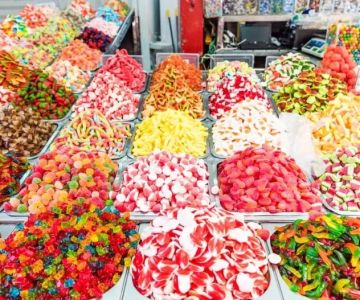
For bulk candy, ask how bins, scoops, allergens, and turnover are managed. Use the dedicated utensil and never return a piece to the bin. Keep the printed store label and purchase date.
Store gummies well
Follow the package. Most shelf-stable gummies do best sealed in a cool, dry place away from sunlight, strong odors, moisture, and heat. Close resealable packaging fully or move the inner bag into a clean airtight food container while retaining the original label.
Do not leave gummies in a hot vehicle, sunny window, or damp cooler. Heat can fuse pieces and damage coatings; moisture can dissolve sugar and alter texture. Refrigeration can harden some gummies or create condensation when the package warms.
Keep candy high and secured from young children and pets. Separate allergen-containing products and retain their labels. Do not mix several unlabeled varieties in one jar when guests need ingredient information.
Serve with age and setting in mind
Gummies are chewy, compact, and sometimes slippery, which can create choking risk. Whole or large pieces may be inappropriate for young children and people with chewing or swallowing limitations. Follow age guidance, supervise appropriately, and choose a safer alternative when uncertain.
Eat seated and attentive, not while running, driving, jumping, or lying down. Do not throw gummies during games. Keep portions modest and provide water.
Sticky candy can remain around teeth. The American Dental Association recommends patterns that reduce repeated sugar exposure and support brushing with fluoride toothpaste. Individual dental advice may differ for braces, restorations, or oral-health conditions.
Frequently asked questions
Are all gummies made with gelatin?
No. Products may use pectin, starch, agar, other gelling agents, or blends. Read the current label.
Why did gummies melt together?
Heat, pressure, and moisture can soften the gel and coating. Check package integrity and storage history.
Can I refrigerate gummies?
Follow the package. Cold can harden texture, and condensation can make surfaces wet when opened.
Are sugar-free gummies unlimited?
No. They remain candy, and some sweeteners can cause digestive effects. Read serving and warning statements.
Next steps
Pick one gel style, one coating, and one texture to compare. Read the label, check the seal and date, buy an amount you can store well, and serve it in a calm seated setting. Keep the original package until the candy is finished.




 The Sweet Spot Candy Shoppe and Dundee Candy4.0 (191 reviews)
 IT'SUGAR Washingtonian4.0 (92 reviews)
 Freese's Candy Shoppe & Heavenly Roasted Nuts | Historic Third Ward, Milwaukee4.0 (18 reviews)
 Taylor'd Berries0.0 (0 reviews)
 Marley Confections Montecito5.0 (4 reviews)
 Cape Cod Chocolatier4.0 (41 reviews)
 Top Candy Shops for Tourists in New York – Best Sweets and Treats
 Best Candy Shops in New York - A Sweet Adventure Through the City
 How to Make Candy-Themed Crafts for Christmas Gift Giving
 How to Make Chocolate-Covered Strawberries for Kids: A Fun and Easy Recipe
 How to Make Easy Gummy Worms at Home | Homemade Candy Recipes
 How to Host a Candy-Themed Movie Night | Fun and Sweet Ideas