
- 1-Defining-Chocolate-and-Candy
- 2-Key-Ingredient-Differences
- 3-Texture-and-Flavor-Profiles
- 4-Popular-Types-of-Chocolate-and-Candy
- 5-Health-and-Consumption-Tips
- 6-Real-Life-Tasting-Stories
1. Defining Chocolate and Candy
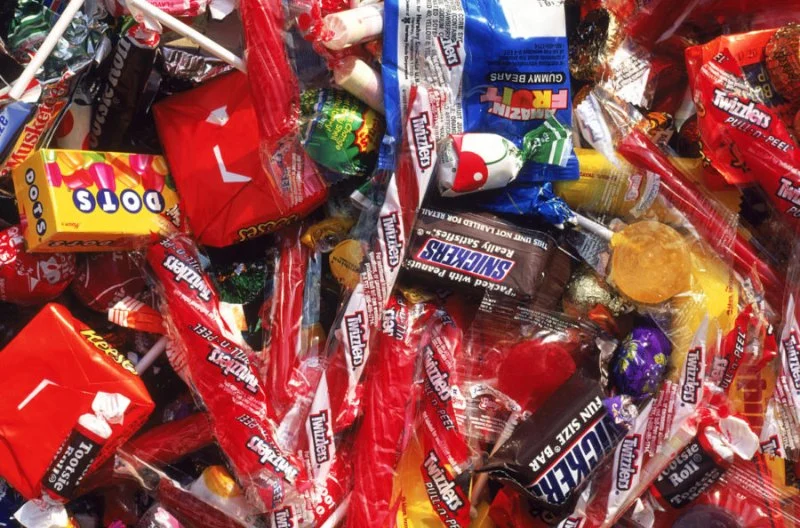
Chocolate is a confection made primarily from cocoa beans, cocoa butter, and sugar. It often contains milk or cream and can vary in cocoa content, ranging from dark to milk chocolate. Candy, on the other hand, is a broader category that includes sweets such as gummies, hard candies, lollipops, and caramels, typically made from sugar, syrups, and flavorings rather than cocoa.
Understanding these definitions helps consumers appreciate the unique qualities and craftsmanship behind each treat.

Carousel Candies / chocolate carousel nj
Point Pleasant BeachOcean CountyNew Jersey
500 Boardwalk, Point Pleasant Beach, NJ 08742, USA
2. Key Ingredient Differences
While chocolate relies heavily on cocoa solids and cocoa butter, candy uses sugar as its primary ingredient. Chocolate’s richness comes from the natural fats and complex flavors in cocoa, whereas candy’s appeal often comes from sweetness, texture, and added flavorings like fruit, nuts, or spices.
For example, dark chocolate is prized for its antioxidant content and nuanced flavor, while hard candy emphasizes long-lasting sweetness and fun textures.

Hatch Family Chocolates / hatch family chocolates
Salt Lake CitySalt Lake CountyUtah
376 8th Ave A, Salt Lake City, UT 84103, USA
3. Texture and Flavor Profiles
Chocolate offers a creamy, smooth texture that melts in the mouth. Its flavor ranges from bitter and intense in dark chocolate to sweet and mellow in milk chocolate. Candy textures vary widely, from chewy caramels to crunchy brittles, and flavors can be fruity, sour, or artificially sweetened.
The sensory experience differs significantly: chocolate engages the palate gradually, while candy provides immediate sweetness and tactile enjoyment.
4. Popular Types of Chocolate and Candy
Chocolate Varieties
- Dark chocolate
- Milk chocolate
- White chocolate
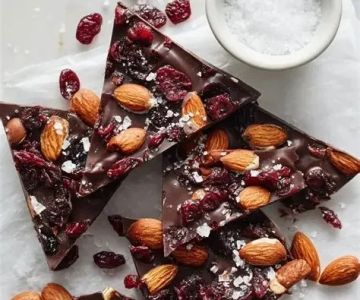
- Chocolate truffles and bars with nuts or fillings
Candy Varieties
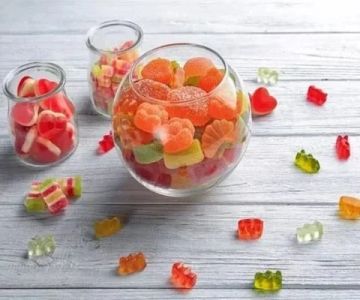
- Gummy bears and fruit chews
- Hard candies and lollipops
- Caramels and toffees
- Sour candies and novelty treats
5. Health and Consumption Tips
Moderation is key for both chocolate and candy. While chocolate—especially dark chocolate—offers some health benefits like antioxidants and minerals, candy is generally higher in sugar with little nutritional value. Pairing chocolate with nuts or fruit can enhance health benefits, while choosing candy made with natural flavors or reduced sugar can be a better option for regular enjoyment.
6. Real-Life Tasting Stories
A food blogger from New York shared how exploring the differences between gourmet chocolates and artisanal candies changed her approach to gifting sweets. She found that chocolate tasting requires attention to aroma, cocoa percentage, and texture, while candy tasting focuses on fun, variety, and flavor intensity. Similarly, a family in California celebrated a birthday using a mix of chocolate truffles and colorful candies, demonstrating how understanding their differences can enhance culinary experiences.
These examples show that recognizing the distinction between chocolate and candy enhances enjoyment, informs healthier choices, and helps consumers select the right treat for the right occasion.



 Jacques Torres Chocolate - Dumbo4.0 (977 reviews)
 Chocolats Passion5.0 (124 reviews)
 SUGOi Sweets4.0 (157 reviews)
 Kilwins Ice Cream - Chocolate - Fudge4.0 (66 reviews)
 Éclat Chocolate4.0 (148 reviews)
 E and S Sweets4.0 (88 reviews)
 Top Candy Shops for Tourists in New York – Best Sweets and Treats
 Best Candy Shops in New York - A Sweet Adventure Through the City
 How to Make Candy-Themed Crafts for Christmas Gift Giving
 How to Make Chocolate-Covered Strawberries for Kids: A Fun and Easy Recipe
 How to Make Easy Gummy Worms at Home | Homemade Candy Recipes
 How to Host a Candy-Themed Movie Night | Fun and Sweet Ideas