Candy Jar Setup: Containers, Portions, and Allergen Control
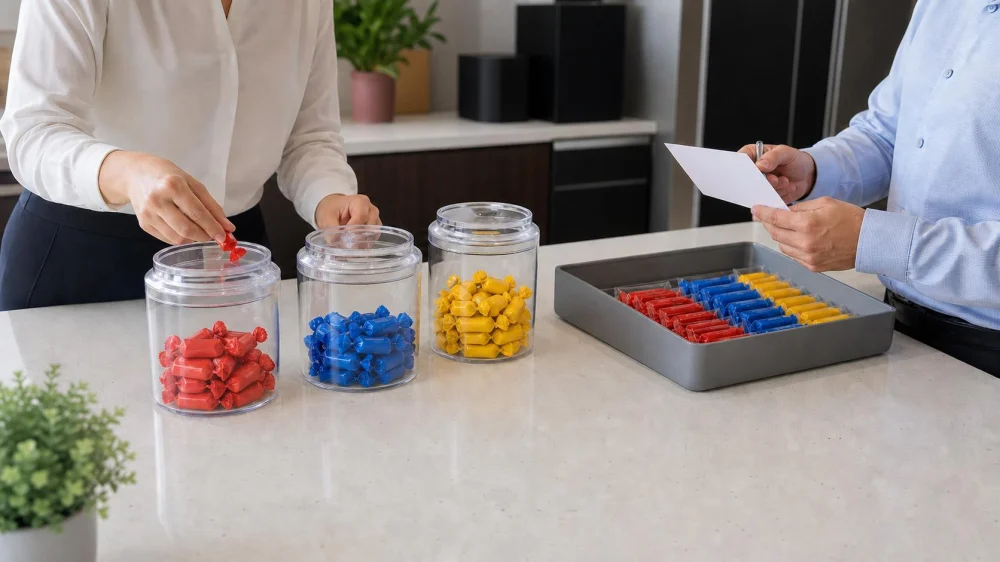
A clear jar can turn individually wrapped candy into an easy household treat, office welcome, or party display. It can also hide labels, mix allergens, invite repeated handling, and place choking hazards where children or pets can reach them. A better setup begins with the container, audience, candy format, and a plan for refilling and cleaning.
Quick answer
Use a clean, food-safe, stable container with a lid that suits the users. Individually wrapped candy is easier to protect from handling and to identify than loose mixed candy. Keep original ingredient, allergen, lot, and date information next to the supply or in a clearly linked record. Fill only a manageable amount, rotate oldest stock first, place the jar away from heat and moisture, and keep it inaccessible to young children and pets.

The Ganachery / the ganachery
Lake Buena VistaOrange CountyFlorida
1486 East Buena Vista Drive, Disney Springs, Town Center, Lake Buena Vista, FL 32830, USA
Choose the container
Select a vessel intended for food contact. Glass offers visibility and resists odors but can break and may be heavy. Food-safe plastic or metal can be lighter, though scratches, dents, coatings, and opacity affect use. Avoid decorative containers with unknown paint, glaze, interior finish, or prior non-food use.
A wide stable base reduces tipping. The opening should allow a wrapped piece to be removed without scraping hands against a sharp rim. A lid limits dust, pests, and moisture; choose one that intended users can operate without forcing it.
Inspect for chips, cracks, crazing, rust, sharp edges, loose hardware, damaged seals, and hard-to-clean seams. Do not repair a food jar with ordinary glue or tape.
Hatch Family Chocolates / hatch family chocolates
Salt Lake CitySalt Lake CountyUtah
376 8th Ave A, Salt Lake City, UT 84103, USA
Select candy for the setting
Individually wrapped pieces reduce direct contact and retain more product information. Choose wrappers that remain closed and can be opened by the intended users. Very tiny, slippery, hard, sticky, or jaw-demanding candies may not suit every audience.
Heat-sensitive chocolate can bloom or melt near windows, equipment, or a warm lobby. Gummies and hard candies can stick in humidity. Filled candies can leak when crushed. Match the candy to room conditions and turnover.
Do not add unwrapped homemade or bulk candy to a public jar without an appropriate food-safety and labeling plan. Local rules may govern food offered in workplaces, schools, childcare, healthcare, retail, or public events.
Keep allergen information available
Never assume wrapper color identifies ingredients. Retain the original outer package for each variety, including ingredient list, major-allergen statement, advisory language, manufacturer, lot code, and date. Recipes can change between purchases.
A mixed jar can transfer crumbs or residue between wrappers and makes selection difficult for someone with an allergy. Use separate, clearly managed containers or avoid the allergen-containing variety when required by the setting’s policy. Separation lowers confusion but cannot guarantee absence of cross-contact.
Do not describe candy as “allergy safe” unless a qualified policy and verified product information support the statement. A person with a food allergy should read the current manufacturer label and follow their medical plan.
Clean, fill, and rotate
- Empty the jar completely instead of pouring new candy on top.
- Discard loose, open, wet, sticky, damaged, or unidentified pieces.
- Wash and dry the container as its manufacturer directs.
- Confirm it is completely dry, including the lid and seal.
- Add the oldest in-date wrapped stock first.
- Record the refill date and keep source packages.
Do not use a “perpetual” jar with old pieces trapped at the bottom. Limit the fill so candy moves without crushing and will be used within its labeled quality period.
Control access and portions
A narrow opening may encourage people to touch multiple pieces. A clean dedicated scoop or tongs can help only if the tool is stored hygienically and used for wrapped items; otherwise choose a dispenser that releases one piece without hand contact.
Offer a small dish for selected wrapped pieces at a staffed event and refresh it rather than exposing the full supply. Do not return handled candy to the jar.
Repeated grazing extends sugar exposure across the day. A jar can support deliberate portions by offering small individually wrapped pieces and being closed between planned occasions. Provide water and include non-food options when gifts or rewards need broader accessibility.
Choose a safe location
Place the jar on a dry, level surface away from counter edges, direct sunlight, heaters, steam, sinks, cleaning products, medication, and strong odors. Secure it against bumping in a high-traffic area.
Keep candy locked or otherwise inaccessible to young children, pets, and anyone who cannot safely select and eat it independently. Hard and gummy candy can be choking hazards, and chocolate, xylitol-containing products, raisins, macadamia nuts, and other ingredients can be dangerous to pets.
Do not place a glass jar above food preparation, near electronics, or where broken pieces would be hard to find. Consider a lightweight alternative in earthquake-prone areas or active environments.
Adapt for offices and events
Assign one person to stock and clean the container. Keep a record of products and dates, and provide an accessible way to see full labels before selection. Respect workplace, school, healthcare, and venue policies.
For outdoor events, use covered quantities that can be replaced from protected stock. Heat, rain, dust, insects, and wind can make a decorative open bowl unsuitable. Discard exposed candy when packaging is damaged or contamination is possible.
Place the display at an accessible height with a clear approach without blocking a route. Offer assistance without assuming what another person needs.
Frequently asked questions
Can I mix wrapped candies in one jar?
You can for a general display, but retain all labels and consider allergen cross-contact, wrapper similarity, and audience needs.
How often should I clean the jar?
Clean it before each full refill and sooner after spills, sticky residue, pest exposure, or extensive handling.
Is an open bowl acceptable?
A lid provides better protection. An open bowl needs close management and may not suit public or long-duration use.
Can I add new candy over old candy?
No. Empty, inspect, clean, dry, and rotate so old or damaged pieces are not hidden.
Next steps
Inspect the container, choose individually wrapped candy for the actual users, retain every source package, and pick a cool secure location. Fill a modest amount, record the date, and set a specific person and schedule for emptying, cleaning, and rotation.


 The Sweet Spot Candy Shoppe and Dundee Candy4.0 (191 reviews)
 IT'SUGAR Washingtonian4.0 (92 reviews)
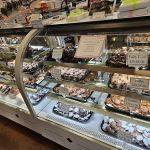 Freese's Candy Shoppe & Heavenly Roasted Nuts | Historic Third Ward, Milwaukee4.0 (18 reviews)
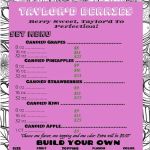 Taylor'd Berries0.0 (0 reviews)
 Marley Confections Montecito5.0 (4 reviews)
 Cape Cod Chocolatier4.0 (41 reviews)
 Top Candy Shops for Tourists in New York – Best Sweets and Treats
 Best Candy Shops in New York - A Sweet Adventure Through the City
 How to Make Candy-Themed Crafts for Christmas Gift Giving
 How to Make Chocolate-Covered Strawberries for Kids: A Fun and Easy Recipe
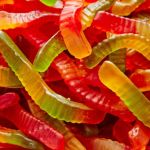 How to Make Easy Gummy Worms at Home | Homemade Candy Recipes
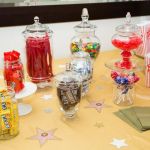 How to Host a Candy-Themed Movie Night | Fun and Sweet Ideas