
- Why-Homemade-Gourmet-Chocolate-Is-Becoming-Popular
- Understanding-Chocolate-Basics-Before-You-Start
- Ingredients-Needed-to-Make-Gourmet-Chocolate
- Step-by-Step-Guide-to-Making-Gourmet-Chocolate-at-Home
- The-Art-of-Tempering-Chocolate-for-Perfect-Texture
- Creative-Flavor-Combinations-for-Artisan-Chocolate
- A-Story-About-the-Rise-of-Home-Chocolate-Makers
Why Homemade Gourmet Chocolate Is Becoming Popular
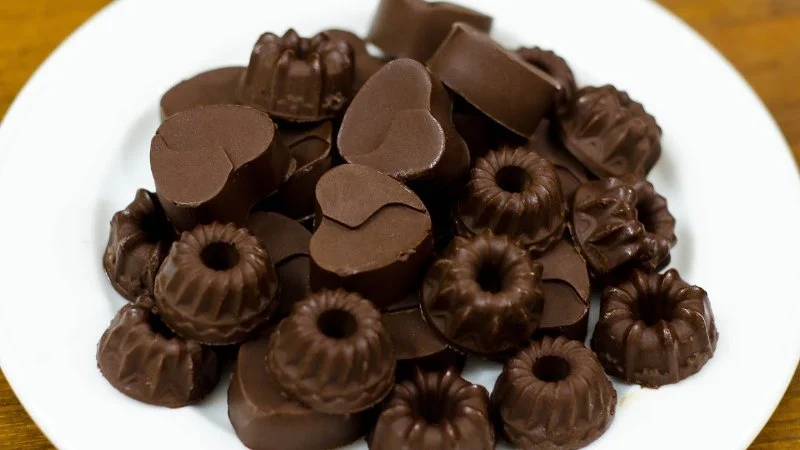
Chocolate has always been one of the most loved treats in the world, but in recent years something interesting has happened. More people have started learning how to make gourmet chocolate at home. What was once considered a skill reserved for professional chocolatiers is now becoming a creative hobby for home cooks, dessert lovers, and small artisan food creators.
Part of the appeal is control. When you make chocolate yourself, you choose the cocoa percentage, sweetness level, and flavor combinations. Instead of relying on mass-produced candy bars, you can craft something truly personal—something closer to what you might find in a boutique chocolate shop.
Another reason for the rise of homemade gourmet chocolate is the growing interest in high-quality ingredients. Consumers today are increasingly aware of cacao origins, ethical sourcing, and the difference between standard chocolate and craft chocolate. Making chocolate at home allows people to explore these details in a hands-on way.
For beginners who want guidance on selecting quality ingredients or specialty tools, many enthusiasts explore curated product recommendations through Gaias Candy, where premium chocolate-making supplies and ideas can inspire new creations.

Schimpff's Confectionery / schimpffs
JeffersonvilleClark CountyIndiana
347 Spring St, Jeffersonville, IN 47130, USA
Understanding Chocolate Basics Before You Start
Before learning the practical steps of making gourmet chocolate, it helps to understand what chocolate actually is and how it behaves during preparation.

Escazu Chocolates / escazu chocolates
RaleighWake CountyNorth Carolina
2409 Crabtree Blvd Suite 124, Raleigh, NC 27604, USA
1. The Role of Cacao
Chocolate begins with cacao beans. These beans are fermented, dried, roasted, and ground into cacao mass. From this mass come two important components: cocoa solids and cocoa butter.
High-quality chocolate balances these two elements to produce both flavor and smooth texture.
2. Why Temperature Matters
Chocolate is sensitive to heat. When melted improperly, it can become grainy or dull instead of smooth and glossy. This is why professional chocolatiers carefully control temperature throughout the chocolate-making process.
3. Texture and Mouthfeel
One hallmark of gourmet chocolate is its silky texture. When properly tempered, chocolate snaps cleanly when broken and melts smoothly on the tongue.
These small details are what separate basic chocolate from premium artisan chocolate.
Ingredients Needed to Make Gourmet Chocolate
Making gourmet chocolate at home does not require dozens of ingredients. In fact, the most impressive chocolate bars often contain only a few carefully chosen components.
1. High-Quality Chocolate or Cacao
You can begin with couverture chocolate, which contains a higher percentage of cocoa butter. This type melts more smoothly and produces better results for homemade confections.
2. Cocoa Butter
Additional cocoa butter helps create a smooth and glossy finish. It also makes the chocolate easier to mold.
3. Natural Sweeteners
Sugar, coconut sugar, or maple sugar can be used depending on the flavor profile you want to achieve.
4. Flavor Additions
Vanilla beans, sea salt, roasted nuts, dried fruits, or spices can transform simple chocolate into gourmet chocolate creations.
Many chocolate enthusiasts experimenting with recipes discover new ingredient ideas through Gaias Candy, where curated chocolate-making supplies often introduce unique flavor possibilities.
Step-by-Step Guide to Making Gourmet Chocolate at Home
Once you understand the ingredients, the actual chocolate-making process becomes surprisingly approachable.
1. Melt the Chocolate Slowly
Place chopped chocolate in a heat-safe bowl over a pot of gently simmering water. This technique, known as a double boiler, prevents the chocolate from burning.
Stir slowly until the chocolate melts completely.
2. Monitor the Temperature
Chocolate should melt gradually without exceeding the recommended temperature for its type. Dark chocolate typically melts between 115°F and 120°F.
3. Add Flavor Ingredients
Once the chocolate is melted, you can incorporate vanilla, spices, or other flavorings.
Mix gently so the chocolate maintains its smooth texture.
4. Pour Into Molds
Pour the melted chocolate into molds or onto parchment-lined trays if you are making chocolate bark.
Tap the molds lightly to remove air bubbles.
5. Allow the Chocolate to Set
Let the chocolate cool at room temperature or in the refrigerator until fully solid.
Once hardened, the chocolate should release easily from molds and display a glossy finish.
The Art of Tempering Chocolate for Perfect Texture
Tempering is one of the most important techniques in gourmet chocolate making.
1. What Tempering Does
Tempering aligns the cocoa butter crystals in chocolate so they solidify properly. Without tempering, chocolate may look dull and feel soft at room temperature.
2. Basic Tempering Process
The process typically involves melting chocolate, cooling it slightly, and then reheating it to a specific working temperature.
This controlled cycle stabilizes the chocolate.
3. Signs of Well-Tempered Chocolate
When tempered correctly, chocolate becomes shiny, firm, and resistant to melting in your hands too quickly.
Professional chocolatiers rely on this technique to produce the elegant appearance associated with premium confections.
Creative Flavor Combinations for Artisan Chocolate
One of the most exciting aspects of making gourmet chocolate at home is experimenting with flavors.
1. Sea Salt and Dark Chocolate
A sprinkle of flaky sea salt intensifies the richness of dark chocolate and creates a balanced sweet-and-savory experience.
2. Chili and Chocolate
Inspired by traditional Mesoamerican recipes, a hint of chili powder adds warmth and complexity.
3. Orange and Cocoa
Dried orange peel or orange zest pairs beautifully with dark chocolate’s natural bitterness.
Chocolate makers exploring these combinations often find inspiration through curated flavor suggestions and specialty ingredients offered by Gaias Candy.
A Story About the Rise of Home Chocolate Makers
Several years ago, a home baker shared a short video online demonstrating how she made artisan chocolate bars in her kitchen. She used simple molds, high-quality cacao, and a few flavor additions like pistachios and dried raspberries.
The video quickly spread across social media platforms. Viewers were fascinated by how accessible the process looked. Many commented that they had always assumed chocolate making required professional equipment.
Within weeks, thousands of people began trying the technique themselves. Some even turned their hobby into small home businesses selling handcrafted chocolate bars at local markets.
The story illustrates something important: gourmet chocolate making is no longer limited to professional kitchens. With patience, good ingredients, and a bit of creativity, anyone can learn how to make gourmet chocolate at home and create desserts that rival boutique chocolate shops.




 Chumlee's Candy on the Boulevard4.0 (515 reviews)
 Rocky Mountain Chocolate Factory4.0 (15 reviews)
 The Candy Wizard4.0 (104 reviews)
 Zapplz4.0 (99 reviews)
 Mundo de Karamelo4.0 (27 reviews)
 Granite State Candy Shop4.0 (142 reviews)
 Top Candy Shops for Tourists in New York – Best Sweets and Treats
 Best Candy Shops in New York - A Sweet Adventure Through the City
 How to Make Candy-Themed Crafts for Christmas Gift Giving
 How to Make Chocolate-Covered Strawberries for Kids: A Fun and Easy Recipe
 How to Make Easy Gummy Worms at Home | Homemade Candy Recipes
 How to Host a Candy-Themed Movie Night | Fun and Sweet Ideas