
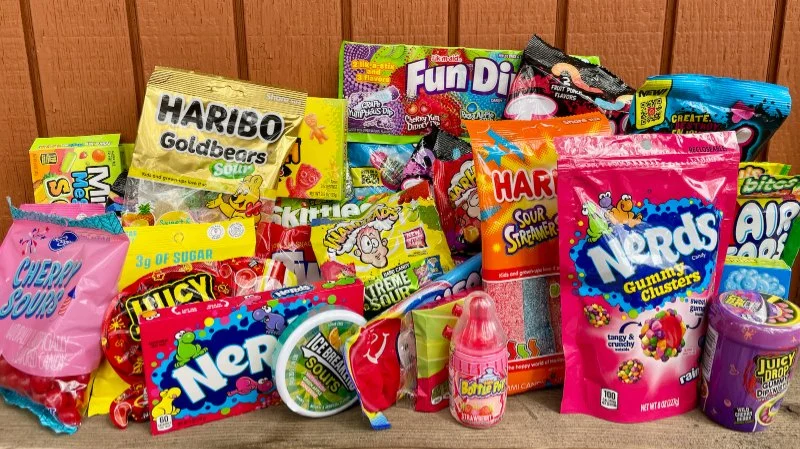
The Sweet Origins of Candy in American Pop Culture
Candy has long been a staple in American culture, with roots tracing back to the early 19th century when mass production began. Initially seen as a luxury item, candy slowly transformed into an everyday treat. With the growth of the candy industry, the emergence of famous candy companies like Hershey’s and Mars has further solidified candy as a central part of American life.
In the 20th century, candy began to intertwine with American holidays and celebrations, especially Halloween, where it became an integral part of the tradition. Over time, candy evolved from being just a sweet indulgence to a symbol of joy, nostalgia, and comfort.

Escazu Chocolates / escazu chocolates
RaleighWake CountyNorth Carolina
2409 Crabtree Blvd Suite 124, Raleigh, NC 27604, USA
Iconic Candy Brands and Their Cultural Impact
Some candy brands have achieved an almost mythical status in American pop culture. For example, Hershey’s chocolate bars became synonymous with American values of innovation and sweetness. Similarly, iconic treats like Reese's Peanut Butter Cups, M&M’s, and Snickers are no longer just products—they’ve become symbols of indulgence, often referenced in movies, TV shows, and even advertisements.
The widespread recognition of these brands has had a lasting impact on American identity, with their marketing and advertising shaping how candy is perceived and consumed in modern society. These brands have embedded themselves deeply into the cultural fabric, becoming cultural touchstones that resonate with both young and old generations alike.
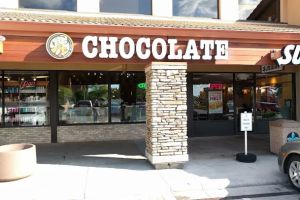
Droolin Moose / droolin moose
St. Louis ParkHennepin CountyMinnesota
5007 Excelsior Blvd, St Louis Park, MN 55416, USA
Candy’s Role in Shaping Trends and Nostalgia
Candy plays a significant role in shaping pop culture trends, especially with its nostalgic appeal. From the 1980s to today, candy has been a symbol of both childhood and adulthood. A great example of this is how brands like Skittles, with their colorful and playful branding, have appealed to both kids and adults, making candy a timeless product in pop culture.
Additionally, candy’s connection to nostalgia is undeniable. For many, the mention of candy brings back fond memories of trick-or-treating, school lunches, and the excitement of holidays. This deep-rooted nostalgia for candy helps shape trends in pop culture, often influencing the release of special-edition treats or candy-inspired designs in fashion, art, and entertainment.
Modern Candy Marketing and Pop Culture
The candy industry has modernized its marketing strategies to stay relevant in the ever-changing cultural landscape. Social media has become a powerful tool for candy brands, allowing them to create viral campaigns that connect with younger audiences. For example, candy companies use humor, memes, and pop culture references to resonate with Millennial and Gen Z consumers.
Not only do candy brands market their products to be consumed, but they also create a lifestyle around candy consumption, often collaborating with influencers or creating limited-edition items that drive demand. The strategic partnerships with celebrities and the use of platforms like Instagram have made candy a desirable part of the modern cultural zeitgeist.
Real-life Stories: Candy and Pop Culture in Action
Real-life examples of candy shaping American pop culture are abundant. One example is the rise of the "Candy Crush" game, which became a cultural phenomenon, transcending the traditional candy market to create a global gaming and entertainment experience. The game’s success fueled candy-themed merchandise, partnerships with real candy brands, and even reality TV shows. This is a perfect example of how candy has transcended from just a snack to a multi-faceted cultural experience.
Another notable story involves the creation of the "Gummy Bear" phenomenon, which started as a simple candy but grew to become a mascot for all things fun and playful. The gummy bear’s image has appeared in everything from children's cartoons to music videos, further cementing its place in pop culture.
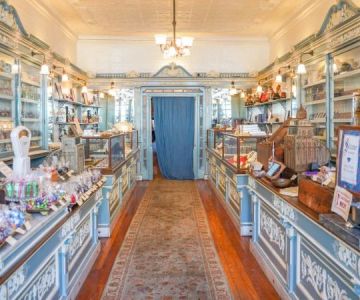

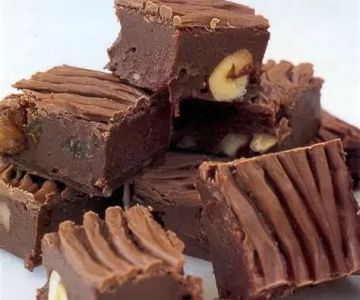

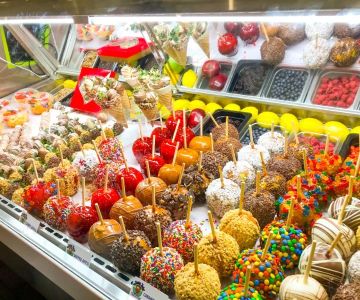

 The Toffee Merchant0.0 (0 reviews)
 Jagielkys Homemade Candy4.0 (71 reviews)
 Lindt Chocolate Shop4.0 (371 reviews)
 Angell & Phelps Chocolate Factory4.0 (3593 reviews)
 The Fudgery3.0 (129 reviews)
 Licorice International Haymarket4.0 (218 reviews)
 Top Candy Shops for Tourists in New York – Best Sweets and Treats
 Best Candy Shops in New York - A Sweet Adventure Through the City
 How to Make Candy-Themed Crafts for Christmas Gift Giving
 How to Make Chocolate-Covered Strawberries for Kids: A Fun and Easy Recipe
 How to Make Easy Gummy Worms at Home | Homemade Candy Recipes
 How to Host a Candy-Themed Movie Night | Fun and Sweet Ideas