
Candy and Tea Pairing: Balance Sweetness, Texture, and Aroma
On this page
Quick answer
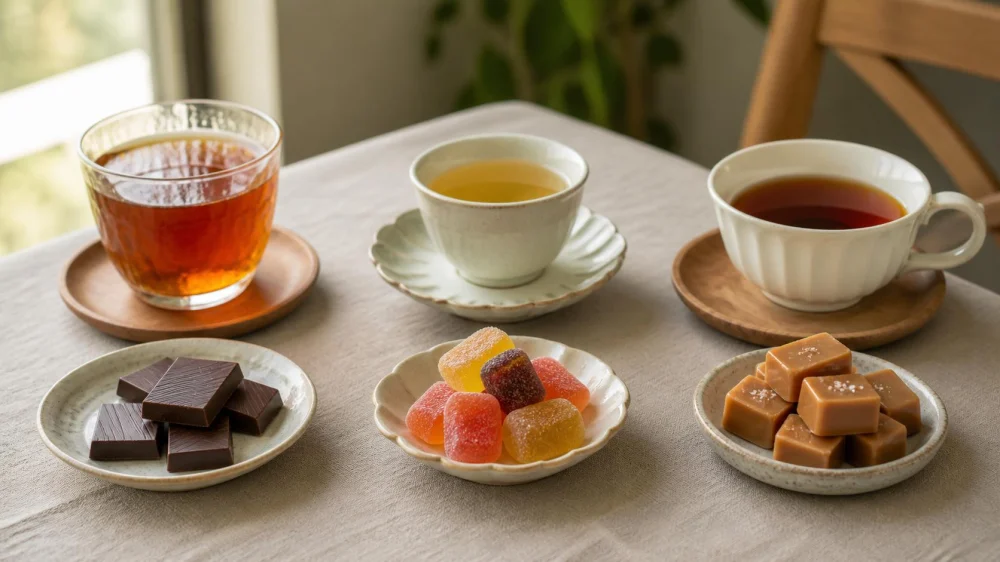
Pair candy and tea by deciding whether you want contrast, similarity, or a palate reset. Rich chocolate can meet a roasted or full-bodied tea; bright fruit candy can echo a floral or citrusy tea; buttery caramel can balance a brisk unsweetened cup. Keep portions small, brew each tea normally, taste tea before candy, and adjust one element at a time.
This guide is for adults and families in the United States planning a casual tasting. Flavor preferences, tea traditions, ingredients, caffeine, and candy formulas vary. The suggestions are starting points, not rules or health claims.
Carousel Candies / chocolate carousel nj
Point Pleasant BeachOcean CountyNew Jersey
500 Boardwalk, Point Pleasant Beach, NJ 08742, USA
Three ways to build a pairing
Contrast uses opposing sensations to make each side clearer. A brisk tea may cut through a buttery caramel. A lightly bitter cup may reduce the impression of sweetness in milk chocolate. A crisp, clean finish can refresh the mouth after a chewy candy.
Similarity links shared notes. A berry-forward candy can echo a fruity tea aroma, while a toasted nut candy may feel harmonious beside a roasted tea. Similarity can make a pairing feel smooth, but too many matching sweet notes can become flat or heavy.
Palate reset chooses a tea that gets out of the candy’s way. A mild unsweetened cup may clear sticky sweetness without adding a strong competing aroma. This works when the candy is complex or when several candies are compared.
Use one main idea per pairing. If you try to match sweetness, color, origin, aroma, texture, season, and story at the same time, it becomes hard to learn why the combination works.

Mister Ed's Elephant Museum & Candy Emporium / mister ed's elephant museum & candy emporium
OrrtannaAdams CountyPennsylvania
6019 Chambersburg Rd, Orrtanna, PA 17353, USA
Match by candy texture and flavor
Dark chocolate and cocoa-forward candy
Try a full-bodied black tea, roasted oolong-style tea, earthy fermented tea, or another unsweetened cup with enough structure to remain noticeable. Compare whether the tea highlights bitterness, fruit, roast, or smoothness. A very delicate tea may disappear after intense chocolate.
Milk chocolate and creamy centers
A rounded black tea, gentle roasted tea, or aromatic tea can complement milk and caramel notes. If both candy and tea are strongly sweetened, the combination may feel heavy; start with unsweetened tea.
Caramel, toffee, and brittle
Look for briskness, roast, malt-like aroma, or a clean finish. Hot tea can soften caramel in the mouth, so use a comfortable drinking temperature and avoid combining very hot liquid with hard or sticky candy.
Fruit gummies and jellies
Floral, citrusy, green, white, or fruit-infused teas can echo bright aromas. A tart candy may make a delicate tea seem more bitter or thin, so taste the tea first and use a small candy piece.
Sour candy
Acid and intense coating can dominate subtle tea. Use a simpler, more robust cup or treat tea as a rinse between samples. Do not taste repeated acidic candies solely to “find a match,” especially if they irritate the mouth or teeth.
Mint, spice, and strong aromatics
Strong candy flavors can linger. Pair with a tea that has enough body or use them late in the tasting. Avoid placing mint before delicate floral samples because it may mask them.
Nut, sesame, coconut, and grain candy
Roasted, toasted, or lightly smoky teas can reinforce warm flavors, while a brisk cup can contrast oily richness. Check allergens and cross-contact before serving.
Match by tea body and aroma
Delicate white or green teas often work better with restrained candy portions and gentle fruit, floral, or lightly creamy flavors. Strong chocolate, mint, or sour coating can overwhelm them.
Oolong-style teas span floral, creamy, fruity, mineral, and roasted profiles. That range makes the category flexible, but the exact tea matters more than the broad name.
Black teas can offer brisk, malty, fruity, floral, smoky, or tannic impressions. They are useful with chocolate, caramel, and nut candy because their presence often remains after sweetness.
Fermented and dark teas may bring earthy, woody, mellow, or aged notes. Try them with cocoa, sesame, nut, or less-sweet candy, using a small sample first.
Herbal infusions are not all made from the tea plant and can be caffeine-free or contain ingredients with health, allergy, pregnancy, or medication considerations. Rooibos-like, mint, ginger, hibiscus, chamomile, fruit, and spice infusions behave differently. Read ingredients rather than assuming “herbal” means appropriate for everyone.
Flavored and sweetened teas add more variables. A flavored tea can create an easy echo, but added sugar may make candy sweetness harder to evaluate. Start unsweetened when comparison is the goal.
A practical tasting checklist
- Choose three candies and two or three teas. A small set is easier to compare than a large buffet.
- Check every ingredient. Keep packages or full ingredient lists available for allergens, caffeine, alcohol, gelatin, dairy, nuts, and dietary preferences.
- Standardize portions. Cut or separate small pieces with clean utensils so each person receives a similar sample.
- Brew tea by its instructions. Use clean water, suitable temperature, and consistent steeping rather than deliberately overbrewing for strength.
- Let tea cool to a safe drinking temperature. Heat should not distract from flavor or create a burn risk.
- Taste tea first. Note body, aroma, bitterness, astringency, roast, fruit, floral, and finish.
- Taste a small candy piece. Note sweetness, acid, fat, chew, crunch, melt, and lingering flavor.
- Return to the tea. Record what becomes stronger, weaker, smoother, sharper, or newly noticeable.
- Reset with water. Use plain water and a pause between strong samples. Save mint and intense sour candy for last.
- Change one variable. If a match feels too sweet, reduce candy size or use unsweetened tea before changing the entire pairing.
Use simple notes such as “tea tastes more roasted after caramel” or “gummy hides floral aroma.” A personal response is more useful than declaring a universal best pair.
Group tasting, allergens, and caffeine
Keep candy in original packaging until ingredient review is complete. Use separate utensils and plates for allergen-sensitive participants, and do not promise an allergen-free setup if products or the kitchen have cross-contact risk.
Label samples clearly during the event, even if brand names are hidden for a blind comparison. Concealment should never include allergens, alcohol, gelatin, caffeine, or another fact a participant needs for safety or values.
Tea caffeine varies with the plant material, serving, and preparation. Children, pregnant people, people sensitive to caffeine, and those with medical or medication concerns should use guidance appropriate to them. Offer water and clearly identified caffeine-free options.
Serve hot drinks in stable cups away from table edges. Supervise children around hot liquid and choking-risk candy. Select age-appropriate textures and sizes, and do not give hard, sticky, or otherwise unsuitable candy simply because it is part of a pairing.
Keep portions moderate. A tasting can use partial pieces rather than full servings of every item. Participants should be able to decline or spit out a sample without pressure.
Taste limits and important notes
This guide uses common sensory principles: sweetness, acid, bitterness, astringency, fat, aroma, temperature, and texture change how foods and drinks are perceived together. Individual taste, genetics, culture, experience, and expectations shape the result.
Pairing does not improve the nutrition or safety of candy or tea. It does not neutralize sugar, caffeine, allergens, alcohol, acidity, or a medication interaction. Follow product labels and individual health guidance.
Frequently asked questions
Should tea be sweetened when pairing with candy?
Start unsweetened so the candy provides the sweetness variable. Add a small amount later only if that reflects how you normally drink it, and note the change.
What tea goes best with chocolate?
There is no single best tea. Use chocolate intensity and filling as guides. Full-bodied or roasted teas often remain noticeable with dark chocolate, while gentler aromatic teas may suit creamy milk chocolate.
Can herbal tea be paired with candy?
Yes. Match the infusion’s actual ingredients and aroma with the candy. Check allergies, health considerations, and whether it is truly caffeine-free rather than assuming from the word “herbal.”
Why does tea taste bitter after candy?
Sweet candy can change contrast and make bitterness or astringency seem more noticeable. Try a smaller candy piece, a less sweet sample, a milder brew, or a water reset.
Should candy be chilled for tasting?
Usually compare it at the manufacturer’s recommended storage and comfortable tasting condition. Cold can mute aroma and change chew or chocolate melt. Keep food safety and filling instructions in mind.
How many pairings are enough?
Three candies with two or three teas provides several comparisons without excessive sugar or palate fatigue. Smaller portions and pauses make the results easier to notice.
Next steps
Choose a contrast, similarity, or palate-reset goal, then select three small candy samples and two or three unsweetened teas. Check ingredients, allergens, caffeine, alcohol, and age-appropriate textures. Brew consistently, let drinks cool safely, taste tea before candy, record the change, and adjust portion or sweetness one variable at a time.



 Mr. Kite's The Chocolate Shop4.0 (216 reviews)
 Dolce Patisserie5.0 (160 reviews)
 Sweet Jerks Emporium4.0 (46 reviews)
 EBENEZER DULCES Y REGALOS0.0 (0 reviews)
 The Chocolate Bar4.0 (135 reviews)
 Candy Cloud and Chai Lounge4.0 (3 reviews)
 Top Candy Shops for Tourists in New York – Best Sweets and Treats
 Best Candy Shops in New York - A Sweet Adventure Through the City
 How to Make Candy-Themed Crafts for Christmas Gift Giving
 How to Make Chocolate-Covered Strawberries for Kids: A Fun and Easy Recipe
 How to Make Easy Gummy Worms at Home | Homemade Candy Recipes
 How to Host a Candy-Themed Movie Night | Fun and Sweet Ideas