
Bulk Candy Bins: Scoop, Separate, Label, and Recheck
On this page
Quick answer
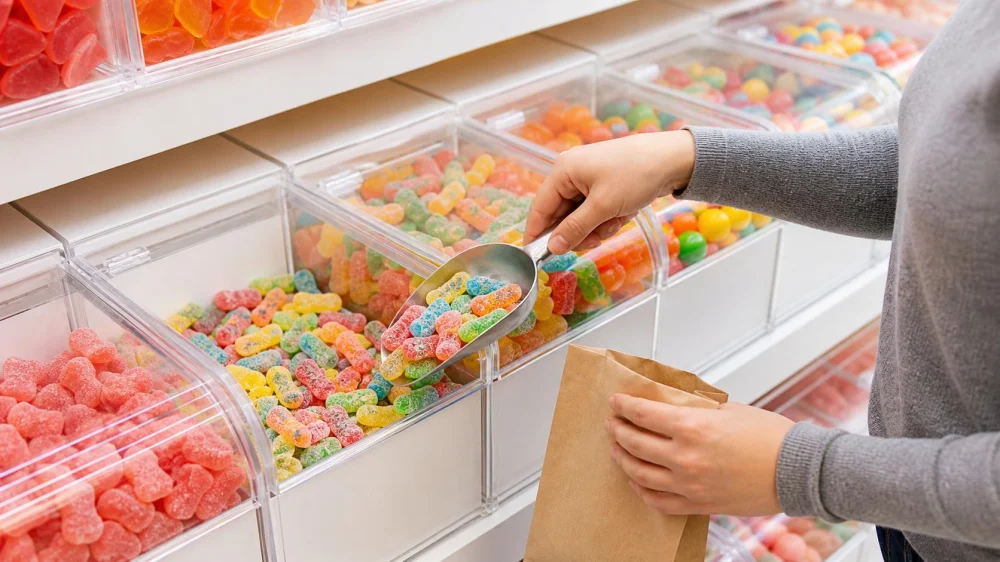
At a bulk candy display, read the current product and allergen information before opening a bin, use only its dedicated scoop or tongs, and keep the utensil and candy over that bin. Use separate bags for products that must remain identifiable, write or attach the correct item details, recheck weight and price, and choose sealed candy when cross-contact or ingredient certainty is critical.
Droolin Moose / droolin moose
St. Louis ParkHennepin CountyMinnesota
5007 Excelsior Blvd, St Louis Park, MN 55416, USA
Why bulk candy needs careful handling
Bulk bins let shoppers choose an amount and mix, but the original package may not travel home with the candy. Shared aisles, similar colors, moved scoops, open lids, and customer handling can create identification and cross-contact uncertainty. A careful process protects traceability; it cannot make an open bulk system suitable for every allergy or dietary need.
This guide is for shoppers at candy stores in the United States. Store procedures, state or local food rules, ingredient displays, scale systems, pricing, and allergen controls vary. Product appearance cannot verify ingredients, allergens, gelatin source, dietary status, freshness, or recall identity.

Escazu Chocolates / escazu chocolates
RaleighWake CountyNorth Carolina
2409 Crabtree Blvd Suite 124, Raleigh, NC 27604, USA
Check the display before scooping
- Product name, ingredient and allergen information, manufacturer or store source when shown, lot or recall details if available, and dietary claims that matter.
- Bin condition, lid, hinge, interior cleanliness visible without touching, product appearance, crumbs, mixed pieces, moisture, clumping, pests, or foreign material.
- A dedicated clean scoop or tongs stored in the intended holder, with no visible candy from another bin on the utensil.
- Bag or container approved by the store, item code or label method, tare instructions, price unit, scale process, and whether mixed products share one price.
- The candy's hardness, chew, size, shape, filling, wrapper, and suitability for children, dental devices, swallowing needs, pets, or planned transport.
- Heat, direct sun, humidity, vehicle time, separate storage from chemicals or allergens, and whether chocolate or coatings may melt.
- Return, quality, recall, and complaint process, plus the details the store needs to identify a bulk product after purchase.
Use a bulk bin without mix-ups
- Decide which products must remain identifiable and use a separate approved bag for each unless the store provides a clear mixed-product process.
- Read the display before lifting the lid. Ask staff when ingredients, allergens, price, or product identity is missing or unclear.
- Open one bin at a time, keep personal items and hands away from the opening, and use only that bin's dedicated utensil.
- Hold the utensil and bag over the same bin so dropped pieces return only to their source; never move candy or a scoop between bins.
- Take a realistic portion without sampling unless the store provides a controlled sample, then return the utensil to its holder and close the lid.
- Apply the correct item code or label immediately, recheck product and quantity, and follow the store's scale and payment instructions.
- At home, keep the label with the candy, store it as directed, and prevent access by children or pets when the product creates a hazard.
Keep the receipt, store label or item code, product name, ingredient and allergen information photographed with permission, purchase date, and any store or manufacturer contact details. For events or sharing, preserve identity through serving rather than combining unlabeled candies in one bowl.
Allergen and food-safety limits
Do not use bare hands, taste directly from the bin, return candy from a bag, use a scoop from another bin, or buy from a display with contamination, pests, moisture, damage, or unclear identity. Even a clean-looking bin may have cross-contact from production, stocking, tools, or customers. Sealed packaging may be the safer choice when traceability matters.
Tell store staff immediately about a moved scoop, mixed product, broken lid, spill, foreign material, pest, or missing label. For serious food allergies, rely on individualized medical guidance and choose products with adequate verified controls. Seek emergency help for breathing difficulty, throat tightness, faintness, rapidly spreading swelling or hives, or choking that does not clear.
Frequently asked questions
Can I mix different candies in one bag?
Only if the store permits it and pricing and identification remain clear. Separate bags are better when allergens, ingredients, or product traceability matter.
What if the scoop is in the wrong bin?
Do not use it or move it yourself. Alert staff so they can follow the store's cleaning and product-control process.
Are bulk candies safe for a severe allergy?
An open shared environment may create cross-contact uncertainty. Ask for current controls and choose sealed alternatives when adequate assurance is unavailable.
Can children scoop their own candy?
Only with direct adult and store-approved supervision, and only when they can follow hygiene, utensil, portion, and safety rules.
How do I keep bulk candy fresh?
Use the store's guidance for the specific product, keep the bag closed, avoid heat and moisture, and retain the product identity and purchase date.
Sources and evidence
Use the store's current bulk-food procedures, product ingredient and allergen information, official U.S. recall resources, manufacturer storage guidance, and individualized medical advice for allergy or swallowing concerns. The actual supply chain and display controls determine suitability.
Conclusion and next steps
Read first, use one dedicated utensil and bin at a time, keep products identifiable, label immediately, and recheck weight and price. Do not correct contamination yourself. When ingredients, allergens, identity, or display condition is uncertain, ask staff or choose a sealed product rather than relying on color or appearance.




 Fannie May4.0 (79 reviews)
 Chandler Fudge5.0 (29 reviews)
 Chocolat Michel Cluizel, Store & Chocolate Tours4.0 (112 reviews)
 Dulces Clara5.0 (36 reviews)
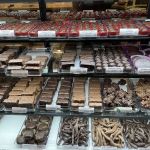 Li-Lac Chocolates (Hudson Yards)4.0 (78 reviews)
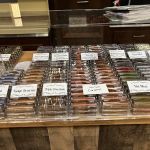 Chocolate Moonshine co5.0 (4 reviews)
 Top Candy Shops for Tourists in New York – Best Sweets and Treats
 Best Candy Shops in New York - A Sweet Adventure Through the City
 How to Make Candy-Themed Crafts for Christmas Gift Giving
 How to Make Chocolate-Covered Strawberries for Kids: A Fun and Easy Recipe
 How to Make Easy Gummy Worms at Home | Homemade Candy Recipes
 How to Host a Candy-Themed Movie Night | Fun and Sweet Ideas