
Marshmallow Candy Guide: Texture, Coatings, and Storage
On this page
Quick answer
Choose marshmallow candy by texture first: airy and quick-melting, springy and chewy, dense and creamy, or crisp on the outside with a soft center. Then compare flavor, size, dusting, chocolate or sugar coating, filling, and intended use. Check the ingredient and allergen information because gelatin, egg, dairy, soy, nuts, colorings, and shared equipment vary by product.
Keep marshmallows sealed in a cool, dry place unless the package says otherwise. Humidity can make them sticky, while dry air can make them firm and stale.

Lee Sims Chocolates / lee sims chocolates
422 Manor Rd, Staten Island, NY 10314, USA
Choose the texture
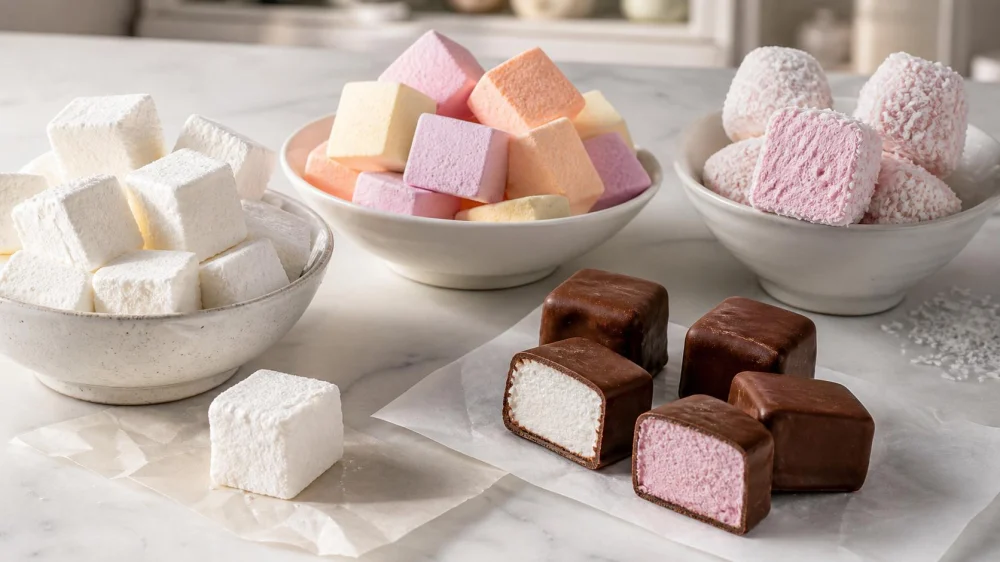
- Airy: light bite that dissolves quickly in hot drinks.
- Springy: elastic chew that holds shape for snacking.
- Dense: richer, slower chew common in some handmade styles.
- Crusted: dry or sugar-coated surface with a softer center.
- Filled or layered: changing texture from caramel, fruit, cookie, or chocolate components.
Freshness, recipe, size, and storage all affect texture. A firm piece is not automatically defective if it was designed for a stronger chew.

Sugar Planet / sugar planet ocean city md
Ocean CityWorcester CountyMaryland
407 Atlantic Ave, Ocean City, MD 21842, USA
Compare flavors and coatings
Vanilla is flexible with cocoa, coffee, fruit, and spice. Fruit flavors can taste brighter with tart powders or preserves. Chocolate coatings add snap or melt, while toasted coconut, cookie crumbs, nuts, or sugar crystals add surface texture.
A strongly flavored coating can dominate a delicate center. Try an uncoated piece first when you want to judge the marshmallow itself.
Check ingredients and allergens
Traditional marshmallows often use gelatin, while vegan products may use plant-based gelling systems. Some recipes include egg whites or dairy, and coatings can add soy, nuts, wheat, sesame, or other allergens. “Vegan,” “kosher,” or “halal” suitability depends on exact ingredients and certification, not appearance.
At a bulk counter, ask about shared utensils, trays, cutting surfaces, and production equipment. For a severe allergy, choose a product with suitable current labeling and professional guidance.
Store for better quality
- Keep the original package or transfer to a clean airtight container.
- Store away from heat, sunlight, moisture, and strong odours.
- Separate coated pieces that may transfer colour, flavour, or oil.
- Use clean dry hands or utensils.
- Follow refrigeration instructions for perishable fillings.
- Discard pieces with unexpected moisture, odour, mould, pests, or damaged packaging.
Freezing and refrigeration can change condensation and texture. Follow the maker rather than assuming cold storage improves every product.
Serve and pair marshmallows
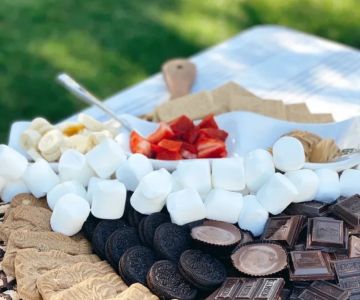
Use small marshmallows for even melting in drinks and larger pieces for a distinct bite. For a candy board, cut only with clean suitable tools and label flavors and allergens. Pair rich coated marshmallows with less sweet drinks or tart fruit.
Marshmallows can present choking risks, especially for young children and people with swallowing difficulty. Choose age- and person-appropriate forms and supervision.
Important limitations
This is general U.S. candy guidance, not medical or food-safety advice for a specific person or product. Recipes, allergens, storage, shelf life, choking risk, and certification vary. Follow the current package, maker, retailer, and qualified health guidance.
Evidence notes
The guide links recipe structure, aeration, gelling, coatings, and moisture exposure to observable texture. Direct labels and handling information remain more reliable than category names for dietary suitability and storage.
FAQ
Are marshmallows vegetarian?
Many contain gelatin and are not; check the exact ingredients and certification.
Why did my marshmallows turn sticky?
Humidity, condensation, warmth, or damaged packaging may be responsible.
Can I refrigerate them?
Only when the product or filling requires it; cold storage can alter texture.
Are handmade marshmallows softer?
Sometimes, but recipes and freshness vary.
Can marshmallows go on a shared candy table?
Yes with clean utensils, clear labels, allergen planning, and age-appropriate serving.
Next steps
Choose one texture and flavor goal, check current ingredients and handling, buy an appropriate package size, and store it sealed away from heat and humidity.



 Nashville Toffee Company4.0 (14 reviews)
 Sweet's4.0 (140 reviews)
 Rocket Fizz Duluth4.0 (23 reviews)
 Sweeties Fine Chocolate4.0 (71 reviews)
 Dulceria Candy Store4.0 (149 reviews)
 Fran's Chocolates - Downtown4.0 (649 reviews)
 Top Candy Shops for Tourists in New York – Best Sweets and Treats
 Best Candy Shops in New York - A Sweet Adventure Through the City
 How to Make Candy-Themed Crafts for Christmas Gift Giving
 How to Make Chocolate-Covered Strawberries for Kids: A Fun and Easy Recipe
 How to Make Easy Gummy Worms at Home | Homemade Candy Recipes
 How to Host a Candy-Themed Movie Night | Fun and Sweet Ideas