
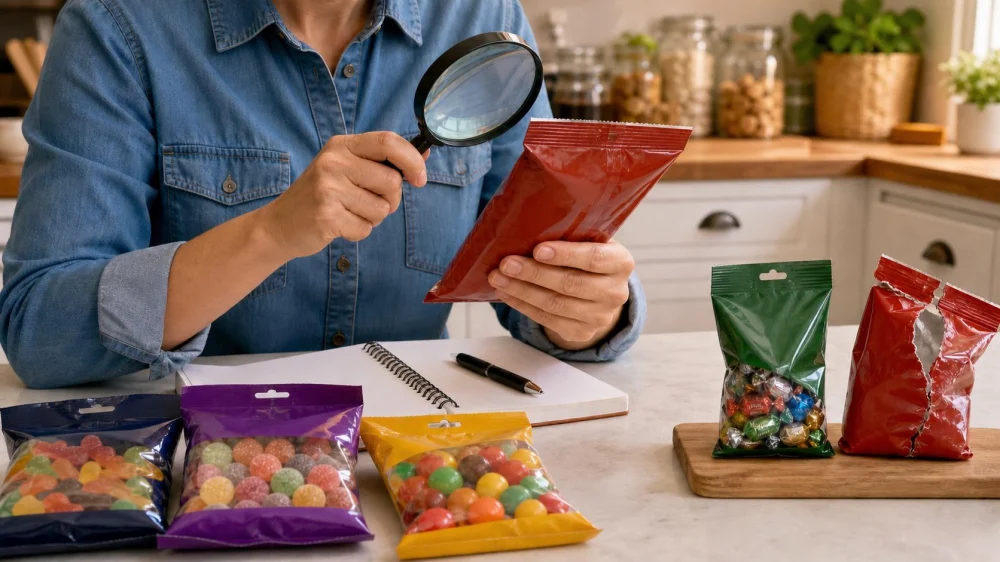
Candy Best-By Dates: Check Quality, Storage, and Damage
Table of contents
Quick answer
Read the phrase attached to the printed date; “Best if Used By” generally describes peak quality, not an automatic safety deadline. Then check whether the package is sealed, dry, undamaged, and stored as directed. Discard candy with torn seals, holes, swelling, leakage, mold, pests, chemical odor, or suspicious appearance. When the date code is unclear, contact the manufacturer with the lot information.
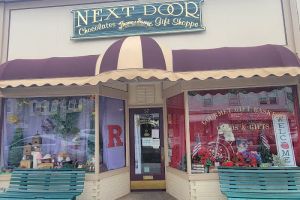
Thomas Chocolate / thomas sweet new brunswick
New BrunswickMiddlesex CountyNew Jersey
57 Easton Ave, New Brunswick, NJ 08901, USA
Read the words around the date
Copy the entire line, not just the digits. A package may say “Best if Used By,” “Best Before,” “Use By,” or show a code without explanation. The U.S. Department of Agriculture explains that “Best if Used By/Before” identifies best flavor or quality rather than a purchase or safety date.
Date-label language is not completely uniform across U.S. packaged foods. Do not convert a quality date into a guarantee that the candy is good before midnight or unsafe the next morning. The product's condition, ingredients, packaging, storage, and manufacturer guidance still matter.

Lee Sims Chocolates / lee sims chocolates
422 Manor Rd, Staten Island, NY 10314, USA
Separate quality dates from lot codes
A calendar date is different from a closed production code. Lot, batch, plant, or time codes help a manufacturer identify a production run and may be needed for a recall or complaint. They can contain letters and numbers that do not read like an ordinary date.
Photograph the front, ingredient and allergen panel, date line, lot code, and barcode before discarding a questionable package. Use the customer-service contact printed on the package or the manufacturer's verified official website. Ask what the code means and whether any recall or storage notice applies.
Inspect the unopened package first
Before opening, look for:
- a broken seal, tear, pinhole, cut, or open seam;
- unusual swelling, leakage, staining, or trapped moisture;
- a missing, covered, altered, or unreadable label;
- insect activity, webbing, droppings, gnawing, or debris;
- heat distortion, melted-and-rehardened shape, or severe crushing; and
- a package that looks different from other units in the same purchase.
The U.S. Food and Drug Administration advises carefully examining food packaging and not eating products that are damaged or look unusual. Do not taste candy to investigate suspected tampering or contamination.
Reconstruct the storage history
A date assumes some level of proper handling. Check the label for temperature, humidity, refrigeration, or “store in a cool, dry place” instructions. Consider whether the candy sat in a hot vehicle, froze and thawed, absorbed moisture in an open bowl, or shared a container with strong odors.
If the storage history is unknown—such as an unsealed donation, an old desk drawer, or candy transferred out of its original package—the printed date may no longer answer the important questions. Ingredient, allergen, and lot information may also be lost. When serving others, choose candy with intact original labeling.
Check candy-specific quality changes
Different candy types age differently. Hard candy can become sticky from moisture; gummies can harden or weep; caramel can dry, crystallize, or flow; nuts can develop rancid odors; filled chocolates can change sooner than plain solid pieces. Chocolate bloom can create a white or gray surface without necessarily indicating mold, but it should not be used to excuse unrelated odor, filling leakage, damaged packaging, or pest signs.
After opening an otherwise intact package, stop if you find mold-like growth, insects, an unexpected chemical or rancid odor, leaking filling, foam, or a texture that clearly suggests spoilage. Do not ask children, guests, or employees to “try one and see.”
Handle opened or shared candy carefully
Write the opening date on a clip, label, or storage note without covering the original package information. Reseal by the manufacturer's method and keep candy away from moisture, heat, sunlight, pests, cleaning products, and strong odors. Use clean, dry hands or utensils.
For a shared bowl, retain the original packages nearby so ingredients and allergens remain available. Do not combine old and new batches in a way that hides their dates or condition. When refilling, wash and dry the container and inspect the remaining candy first.
Candy date and condition checklist
- The complete date phrase and printed date are readable.
- The lot or batch code is photographed separately.
- The seal, seams, and wrapper are intact and untampered.
- There is no swelling, leakage, moisture, pest evidence, or severe heat damage.
- Storage matched the product instructions.
- Ingredients and allergen information remain available.
- Odor, appearance, filling, and texture show no spoilage signs.
- Unclear codes or recall questions are verified with the manufacturer.
Limits and food-safety cautions
This article offers general U.S. food-label guidance, not a product-specific safety determination. Candy containing dairy, nuts, fruit, cream, alcohol, fresh ingredients, homemade fillings, or special storage requirements may need different handling. Manufacturer instructions and active recall notices take priority.
People who are pregnant, immunocompromised, very young, older, or managing a serious food allergy may need more conservative advice from a clinician. Seek medical help for a suspected allergic reaction, poisoning, or foodborne illness. Preserve the package and lot code when reporting a problem.
Frequently asked questions
Is candy unsafe the day after a best-by date?
Not automatically. A best-by date generally concerns peak quality. Evaluate intact packaging, correct storage, product condition, and manufacturer guidance.
What if the printed code has letters and no clear date?
It may be a lot or production code. Contact the manufacturer through a verified channel and provide a clear photo of the complete code and package.
Can I eat candy from a torn bag if each piece is wrapped?
Do not assume the inner wrappers remove every concern. Check for tampering, moisture, pests, damage, and the manufacturer's advice. When the outer package damage is suspicious, discard or report it.
Does white chocolate surface always mean mold?
No. Fat or sugar bloom can produce a pale surface, but a general photo cannot diagnose every change. Consider the seal, odor, texture, filling, storage, and product guidance together.
Food-label and safety sources
- USDA FSIS: Food Product Dating
- U.S. FDA: How to Cut Food Waste and Maintain Food Safety
- U.S. FDA: Food Tampering—An Extra Ounce of Caution
- The package label, manufacturer response, and current recall notice are the primary sources for a specific candy.
Conclusion and next steps
Use the date as one piece of evidence. Read its meaning, preserve the lot code, inspect the seal and package, consider storage, and assess the candy without tasting a suspicious product. When the code or condition remains uncertain, the manufacturer can give a more reliable answer than a guess from the calendar.



 Brooks Collins Chocolates5.0 (48 reviews)
 Chocolate Museum & Cafe4.0 (3147 reviews)
 Lumberjack's Arctic Treats4.0 (12 reviews)
 Leesburg Gourmet4.0 (49 reviews)
 Lolli & Pops4.0 (275 reviews)
 Ghelfi's Candies & Ice Cream4.0 (72 reviews)
 Top Candy Shops for Tourists in New York – Best Sweets and Treats
 Best Candy Shops in New York - A Sweet Adventure Through the City
 How to Make Candy-Themed Crafts for Christmas Gift Giving
 How to Make Chocolate-Covered Strawberries for Kids: A Fun and Easy Recipe
 How to Make Easy Gummy Worms at Home | Homemade Candy Recipes
 How to Host a Candy-Themed Movie Night | Fun and Sweet Ideas